18,200
Average annual openings
Projected U.S. airline and commercial pilot openings, 2024-2034. Openings include replacement needs, not only new positions.
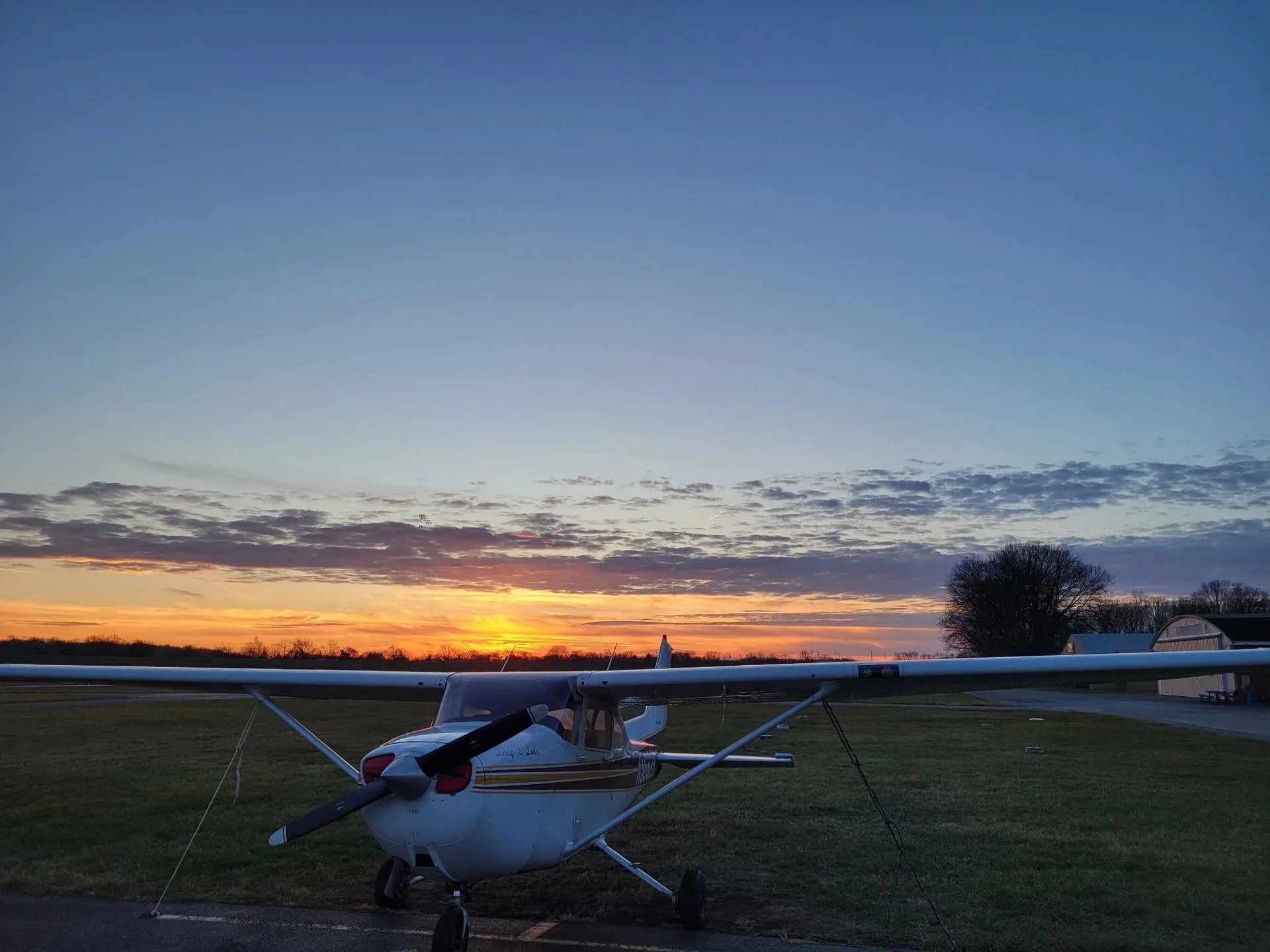
Professional aviation continues to offer opportunity. Explore the evidence, career options, and training decisions behind a future in the cockpit.
Pilot Job Demand
Aviation continues to offer opportunities, but the strongest plan treats demand as context and focuses on becoming qualified, current, and employable.
Data reviewed August 2026
18,200
Projected U.S. airline and commercial pilot openings, 2024-2034. Openings include replacement needs, not only new positions.
4%
Overall U.S. airline and commercial pilot employment growth from 2024-2034.
674,000
Boeing's 2026-2045 industry forecast for commercial aviation. It excludes business aviation and civil helicopters.
National Wage Context
May 2024 U.S. occupation-wide medians from BLS. These figures are not starting salaries or guaranteed earnings.
Review BLS wage data$226,600
Airline pilots, copilots, and flight engineers
$122,670
Commercial pilots
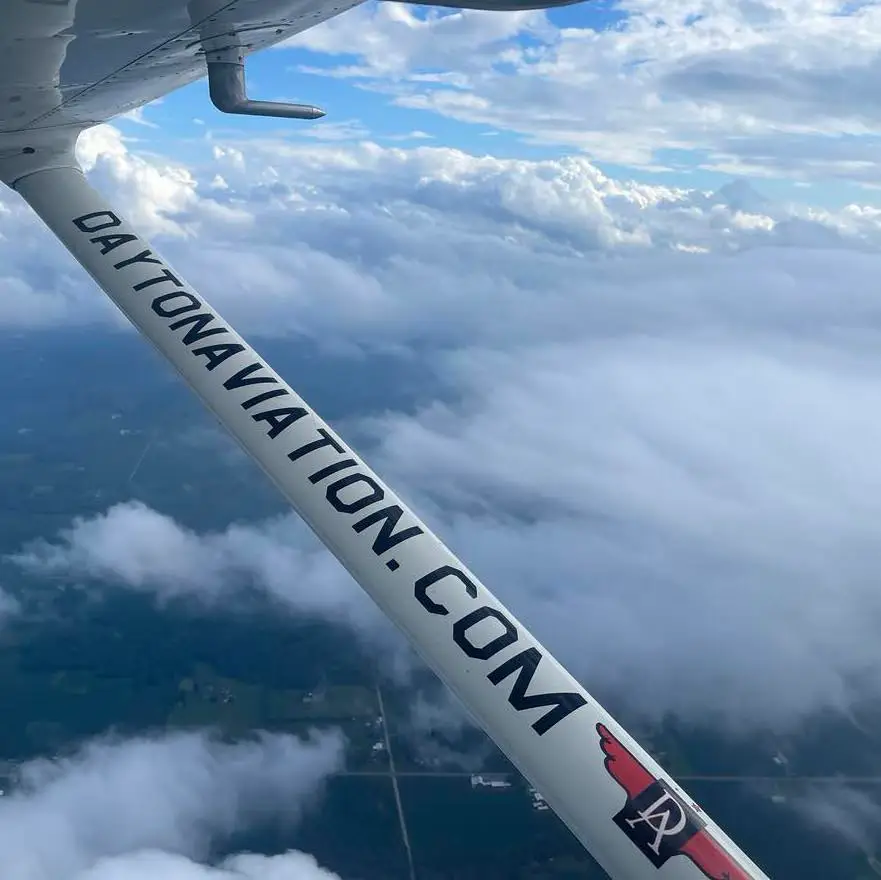
Pilot Career Opportunities
The airline flight deck is only one destination. Each role has different certificates, experience thresholds, schedules, and employer requirements.
Passenger airline roles generally require ATP qualifications, substantial flight experience, employer training, and continuing medical eligibility.
Cargo flying ranges from smaller feeder operations to major carriers, with requirements that vary by aircraft and operating rules.
On-demand charter and business aviation can offer varied aircraft, destinations, schedules, and customer-service responsibilities.
Many commercial pilots become CFIs to teach, deepen their own skills, earn income, and build qualifying experience.
Survey, patrol, photography, government, medical, and other missions have distinct aircraft, experience, and operational requirements.
Professional Pilot Path
Certificates create legal privileges; employers add their own experience, medical, training, and hiring standards. Progress is based on proficiency and opportunity, not an automatic calendar.
Explore
Test the real cockpit environment, then build the foundational knowledge, judgment, and aircraft control required to act as pilot in command.

Develop
Add instrument capability, professional-level knowledge, and the commercial privileges required for eligible compensated flying.
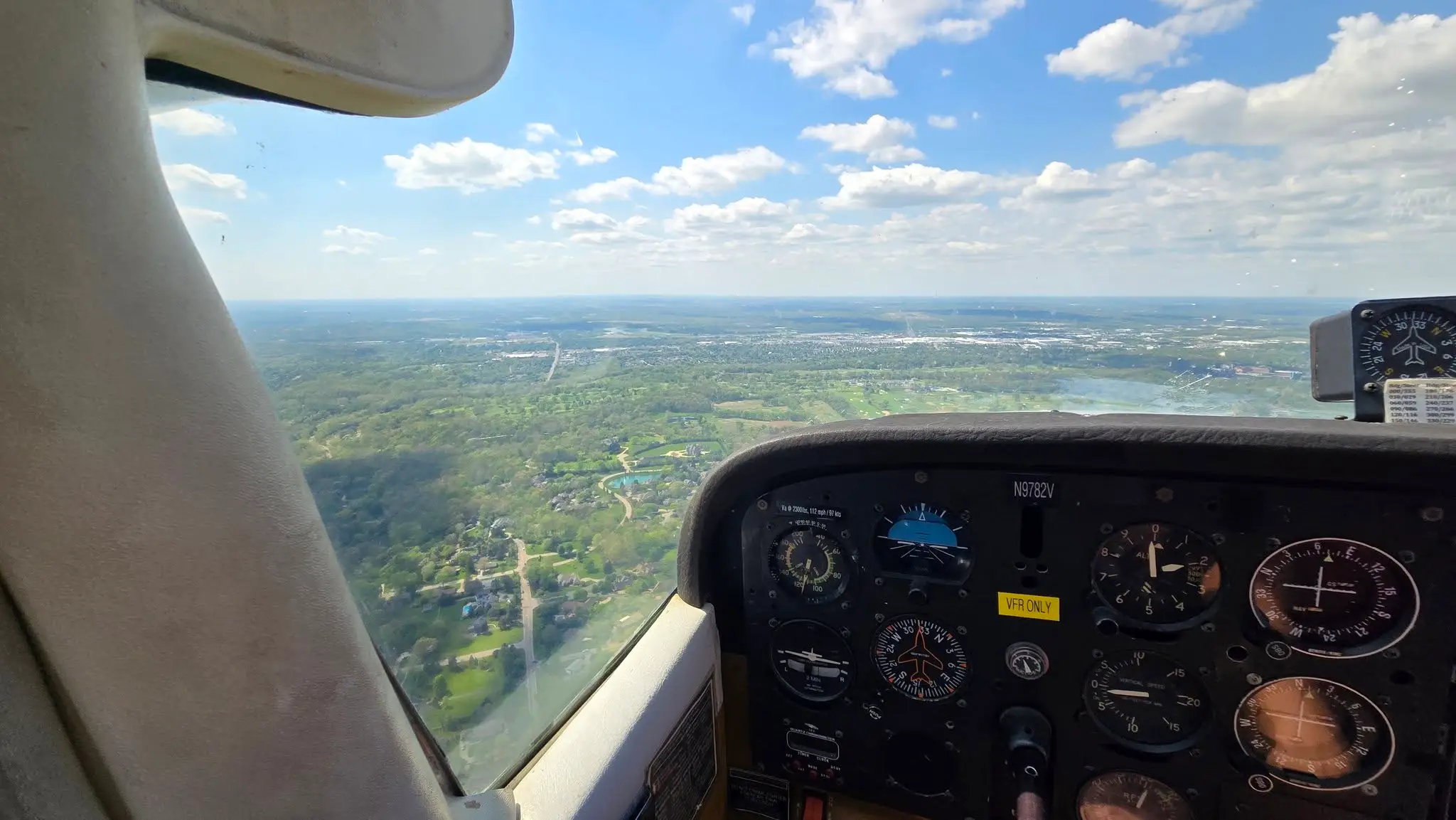
Build Experience
A commercial certificate is a milestone, not an airline ticket. Pilots commonly instruct or pursue another role for which their certificates, experience, and employer qualifications are appropriate.
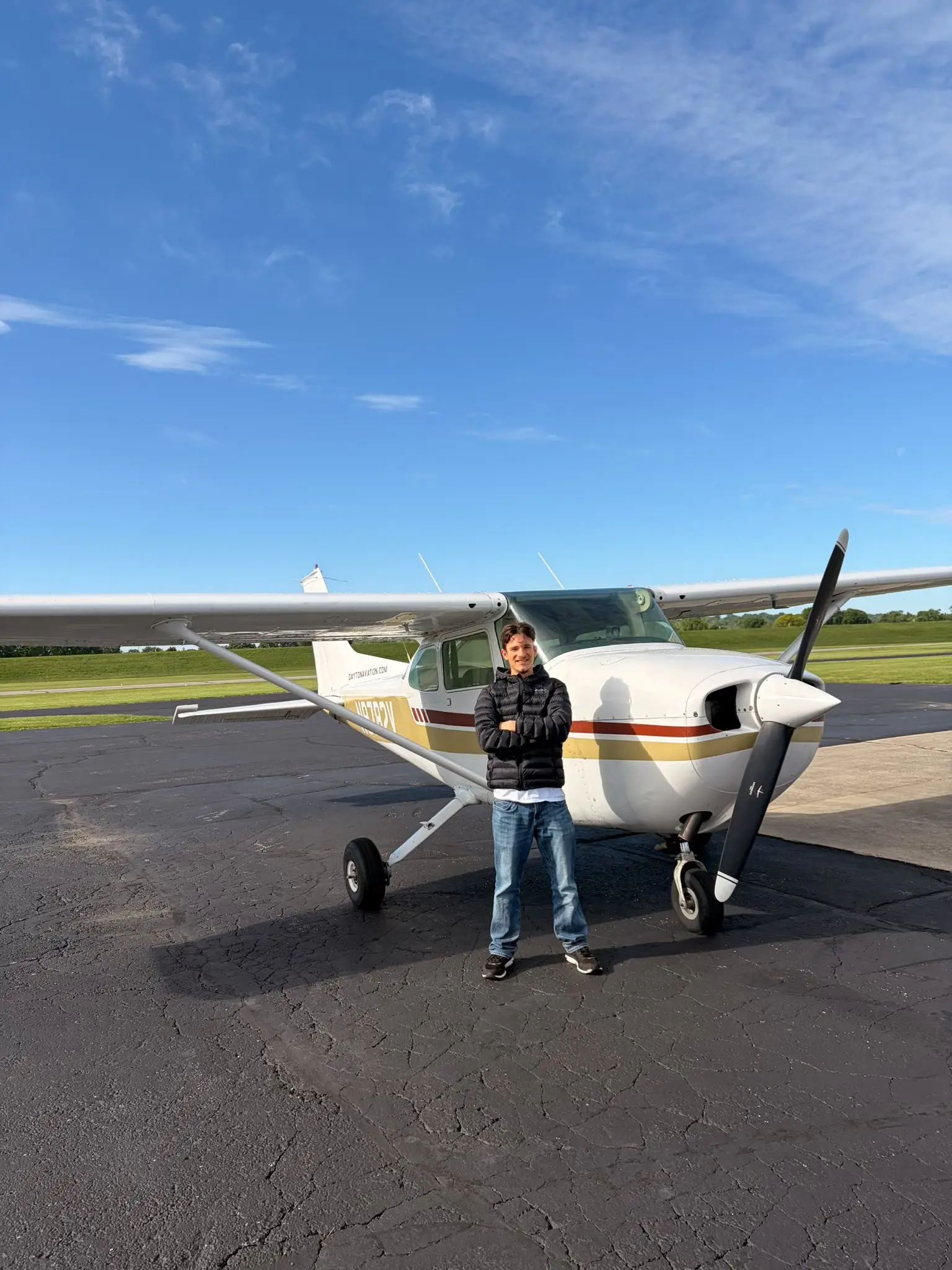
Qualify and Apply
Most new Part 121 first officers must hold an ATP or restricted-privileges ATP and satisfy the airline's current hiring and training requirements.

Career Path Comparison
Flight training and college turn time and money into career opportunities in different ways. Use this comparison to evaluate when each path can lead to paid work, what credential you earn, and how the investment may begin returning.
| Career factor | Professional pilot | Four-year degree career |
|---|---|---|
| Primary credential | FAA certificates | Bachelor's degree |
| Typical preparation | Typically achievable in under 3 years | 4 years |
| Main investment | Training + flight time | Tuition + attendance |
| Advancement driven by | Hours + seniority | Skills + experience |
| Paid return can begin | After commercial eligibility | Usually after graduation |
| National median annual wage¹ | $122,670: commercial pilots | Compare chosen occupation |
| Airline pilot median annual wage¹ | $226,600 | Compare chosen occupation |
A pilot may become eligible for paid commercial flying before a traditional college student graduates, but the first pilot job may focus on building experience and pay less than the occupation-wide medians shown here. A four-year degree career usually begins later, while offering a credential that can transfer across employers and industries. Compare total cost, financing, income forgone during preparation, time to the first relevant paycheck, and realistic starting pay for the specific careers you are considering.
¹ Pilot wages are May 2024 national occupation-wide medians from the Bureau of Labor Statistics.
For college cost context, College Board reports 2025-26 average published tuition and fees of $11,950 for public four-year in-state students and $45,000 for private nonprofit four-year institutions. Published tuition is not net price or the full cost of attendance. Review College Board data
The comparison does not require an either-or decision. You can sequence or combine flight training and college around your goals, finances, and schedule.
Begin earning certificates and building experience sooner, with the option to pursue a degree later. This path does not include a broader academic credential.
Complete a degree first, then focus on flight training. Paid aviation eligibility generally comes later with this sequence.
Work toward a degree and pilot certificates at the same time. This advances both goals but requires enough time, funding, and training consistency.
A Personal Decision
For people drawn to aviation, becoming a pilot can open a rewarding career built one certificate, rating, and flight hour at a time. That path can lead to flight instruction, charter and corporate operations, cargo flying, the airlines, or specialized missions, with each stage building the skill and experience needed for the next opportunity.
Read Forecasts Carefully
An opening is not the same as a new job, a global forecast is not a local vacancy count, and earning a certificate does not make an applicant airline-ready.
Start in Dayton
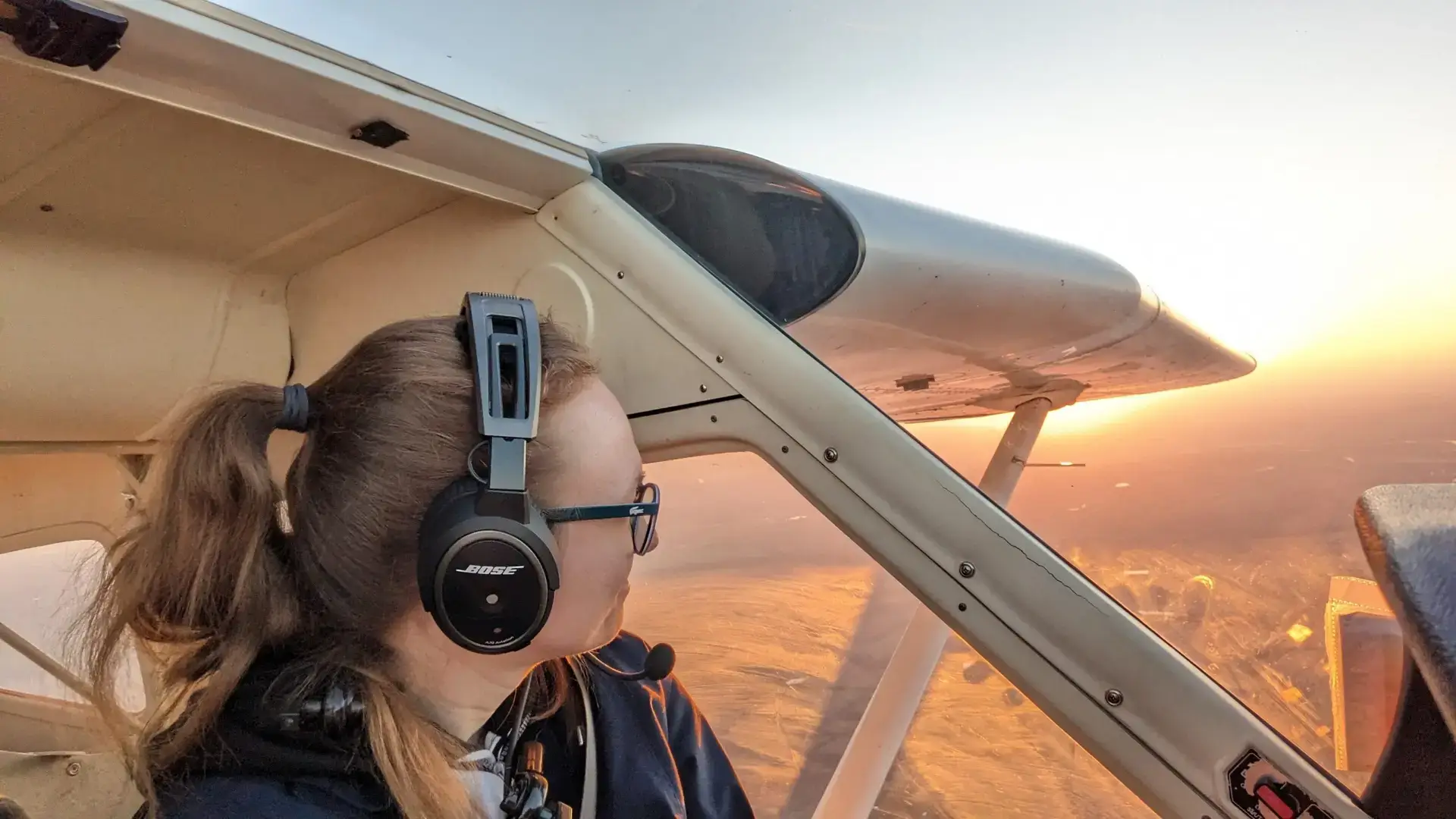
Dayton Aviation Services provides Part 61 training at Moraine Airpark, from foundational certificates through instrument, commercial, and CFI preparation. We can help you understand the training sequence and build a plan around your current experience.
Professional Pilot Questions
The FAA does not require a bachelor’s degree for a standard ATP certificate. Employer expectations vary, and some airlines may require or prefer a degree. Certain FAA-authorized aviation degree programs can support restricted-ATP eligibility with reduced aeronautical experience when all conditions are met.
There is no single ideal starting age. A career changer should evaluate medical eligibility, training cost, time available to build experience, hiring cycles, relocation flexibility, and the years available before the applicable airline retirement age.
There is no guaranteed timeline. Training consistency, weather, proficiency, finances, aircraft and instructor availability, checkride scheduling, experience-building opportunities, and employer hiring standards all affect the path.
No. The commercial certificate permits eligible compensated flying within applicable rules, but airlines normally require substantially more experience, ATP or restricted-ATP qualifications, medical eligibility, and successful completion of their selection and training processes.
Yes, BLS projects about 18,200 airline and commercial pilot openings per year from 2024 through 2034, including openings created when workers leave the occupation. Hiring still changes with economic conditions, airline strategy, fleet availability, geography, and applicant qualifications.
The options can be compatible. Compare the certificates or degree earned, total cost, financial aid, schedule, workforce timing, degree portability, employer preferences, and whether a specific FAA-authorized collegiate program provides an R-ATP benefit.
Early. Medical eligibility can affect solo flight and professional plans. Review current FAA guidance and speak with an Aviation Medical Examiner about individual medical history before making a large training commitment.
Got any more questions? Contact us and we will be happy to answer.
Explore the Cockpit
Career research should lead to a grounded next step. Experience a lesson, compare the training programs, or talk with the schoolhouse about your current experience and goals.