How Often Should You Fly During Flight Training?
Learn how often to schedule flight lessons, why consistency matters, and how to build a training rhythm around weather, work, and budget.

Published by
Rich CoxPublished on
Read time
9 min read
The short answer: aim to schedule at least two flight lessons per week when your schedule, budget, and the weather allow. That rhythm gives you a better chance to keep procedures familiar and build on the last lesson instead of spending valuable cockpit time getting comfortable again.
There is no FAA rule requiring every student to fly a certain number of times each week. The FAA does, however, encourage regular and frequent ground and flight training because continuity supports retention and proficiency. Two or more weekly bookings are a practical starting target, but that isn’t a rigid formula.
Your best schedule is the one you can repeat. A steady part-time student can make meaningful progress, while an ambitious calendar that falls apart after two weeks usually creates more friction. Before you begin flight training in Dayton, look at the whole rhythm: lesson days, study time, weather backup, work, family, and the money you can comfortably put toward training.
Why two flight lessons per week works well
With two lessons on the calendar, the second flight can build directly on the first. The checklist flow is more familiar, radio calls sound less foreign, and the landing sight picture has had less time to fade. Continuity leaves more room for new learning.
Two bookings also create a little resilience. If weather cancels one lesson, the entire week may not disappear. In Ohio, a schedule with no buffer can turn one low-ceiling day or strong crosswind into a long gap.
Some students can sustain three lessons per week. That may work well when they also have time to prepare, sleep, review, and absorb instructor feedback. Extra bookings lose their value when you arrive rushed or unprepared. Your instructor may also adjust the plan based on your current phase, aircraft and instructor availability, and how you are responding to each lesson.
If you are choosing your first training path, compare the privileges of Sport Pilot training and a Private Pilot certificate before locking in a calendar. The certificate should fit the flying you want to do, and the schedule should fit the life you actually have.
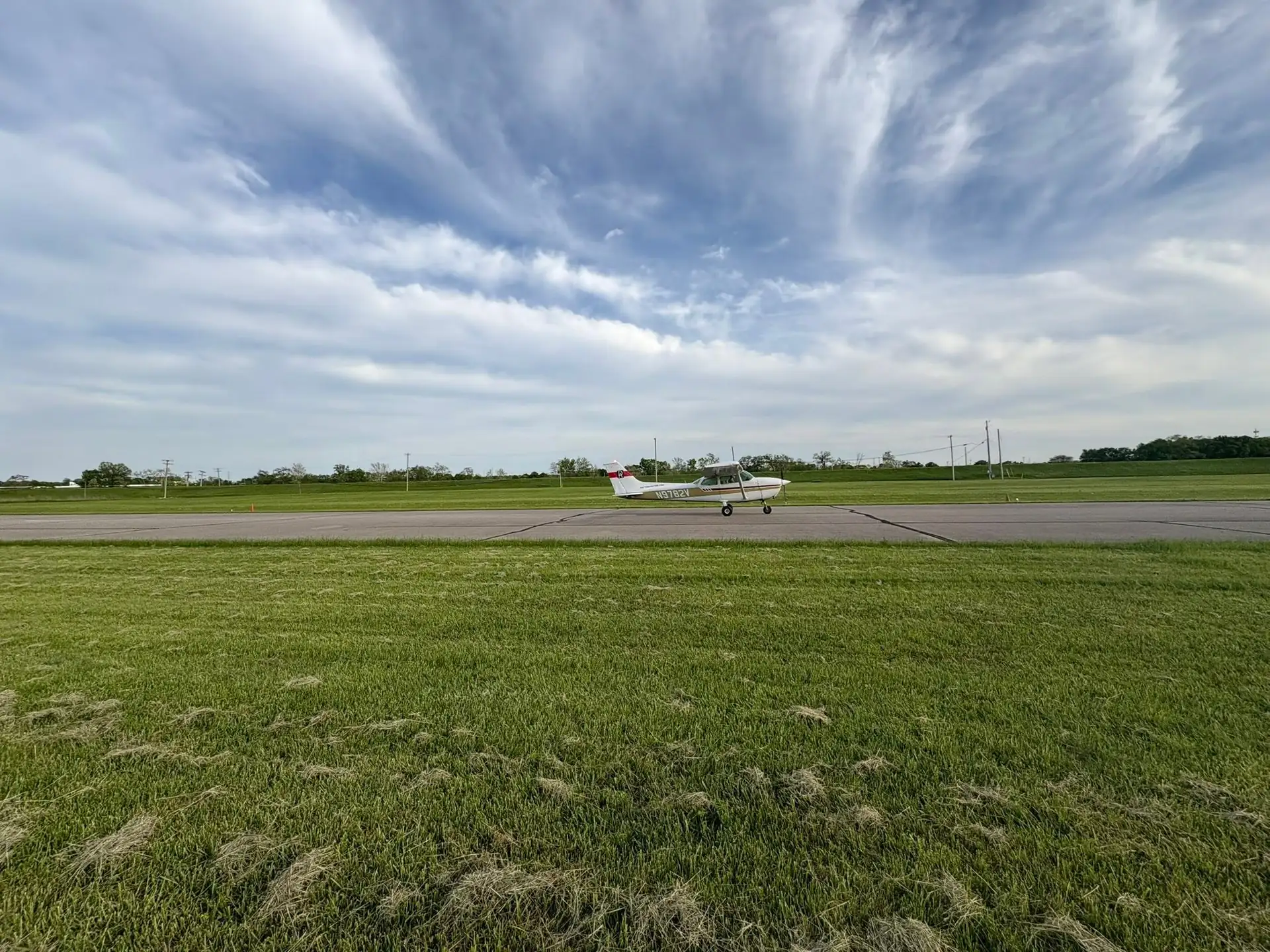
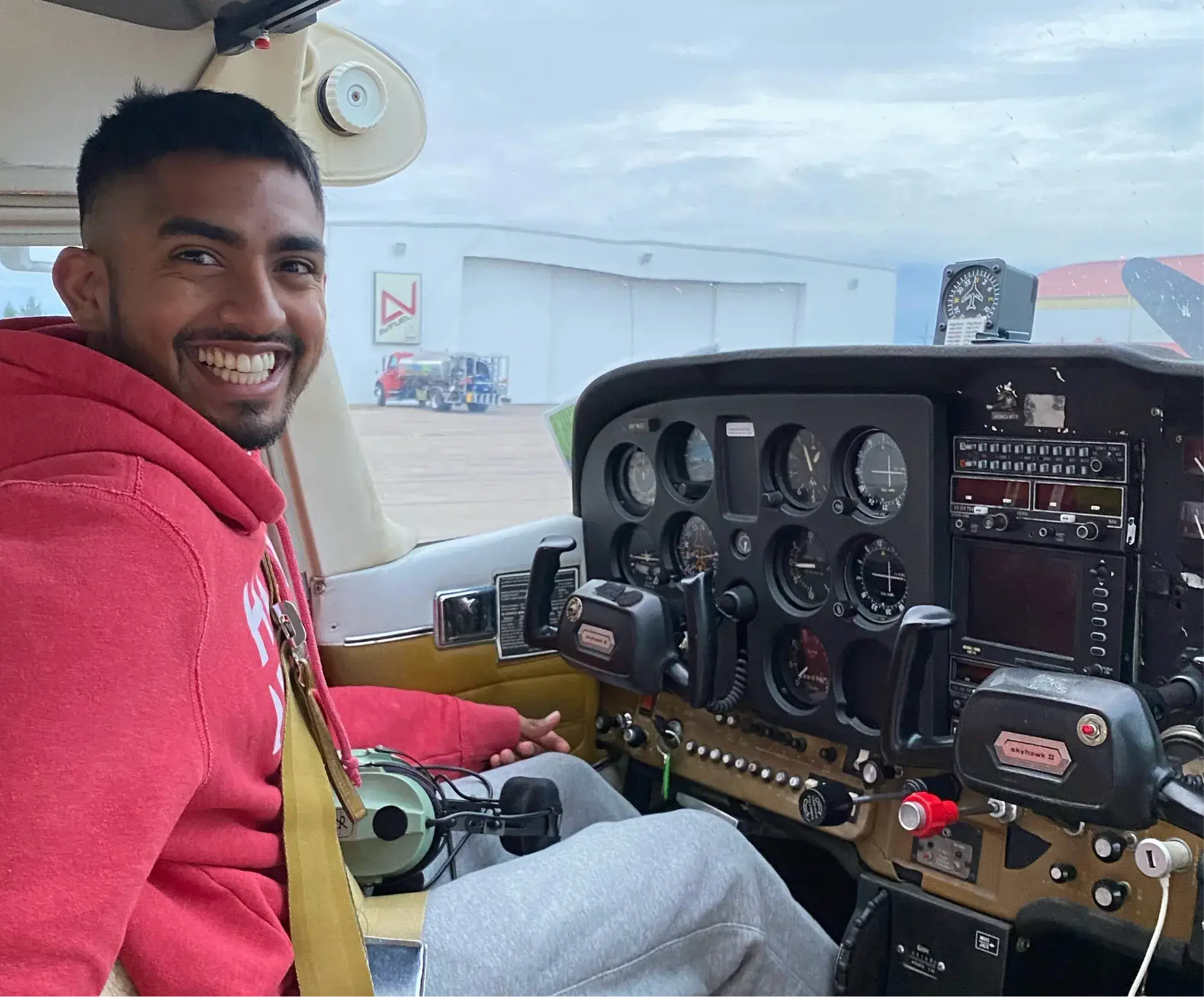
Regular lessons help students retain procedures and build steadily from one flight to the next.
Consistency protects the connection between lessons
Flight training combines knowledge, physical coordination, judgment, communication, and changing conditions. You are not only memorizing what to do. You are learning when to do it while managing the airplane and staying ahead of what happens next.
That is why a long break can be noticeable. On the return flight, you may remember the broad idea but need time to rebuild the details: where your eyes should move, how much control pressure to use, when to start a checklist, or how to organize a radio call. A short review is a normal part of instruction. Repeated long gaps can make that review a larger share of each lesson.
A consistent schedule can still absorb imperfect weeks. Weather changes, aircraft need maintenance, work trips happen, and family comes first. Return to a recognizable pattern before one interruption becomes an open-ended pause.
Our flexible Part 61 training gives us room to plan around real life. We can help you choose lesson windows that are likely to survive your normal work or school week, then adjust the training sequence when conditions change.
Book enough lessons to absorb weather cancellations
If your target is two completed flights per week, consider booking more than two when availability permits. A scheduling buffer is especially useful when weather is likely to interrupt training. It is a planning tool, not a guarantee that every reservation will launch.
A useful weekly pattern might look like this:
| Your intended pace | Calendar approach | What this helps you plan |
|---|---|---|
| One completed lesson | Book one dependable slot and one backup when possible | Keeps one cancellation from creating a multiweek gap |
| Two completed lessons | Book two or three workable slots | Builds continuity while allowing for weather disruption |
| Three completed lessons | Protect preparation and recovery time around each booking | Keeps a faster pace from becoming rushed or exhausting |
Avoid filling the calendar with times you regularly cancel. Instructor and aircraft time are real resources, and dependable reservations help the whole schoolhouse operate well. Start with honest availability, then send a message to our team with your intended certificate, current experience, and likely lesson windows.
At Moraine Airpark, weather is part of learning as well as scheduling. A flight that cannot go as planned may sometimes become a ground lesson, a weather discussion, or preparation for a future task. Your instructor will decide what makes sense for the lesson and conditions.
Prepare between flights to use cockpit time well
Students often focus on how many times they fly and overlook what happens between reservations. Ground preparation is part of the training rhythm. A prepared student can begin the next lesson with the last debrief in mind instead of trying to remember what needs attention after the engine starts.
After each lesson, write down three things:
- What improved?
- What still felt rushed or uncertain?
- What should you review before the next flight?
Then preview the next lesson. Review the checklist, study the relevant maneuver, listen to example radio calls, or chair-fly the sequence at home. Chair-flying means mentally rehearsing the flow and control actions away from the airplane. It can make the sequence more familiar when you return and should reinforce the instruction you receive.
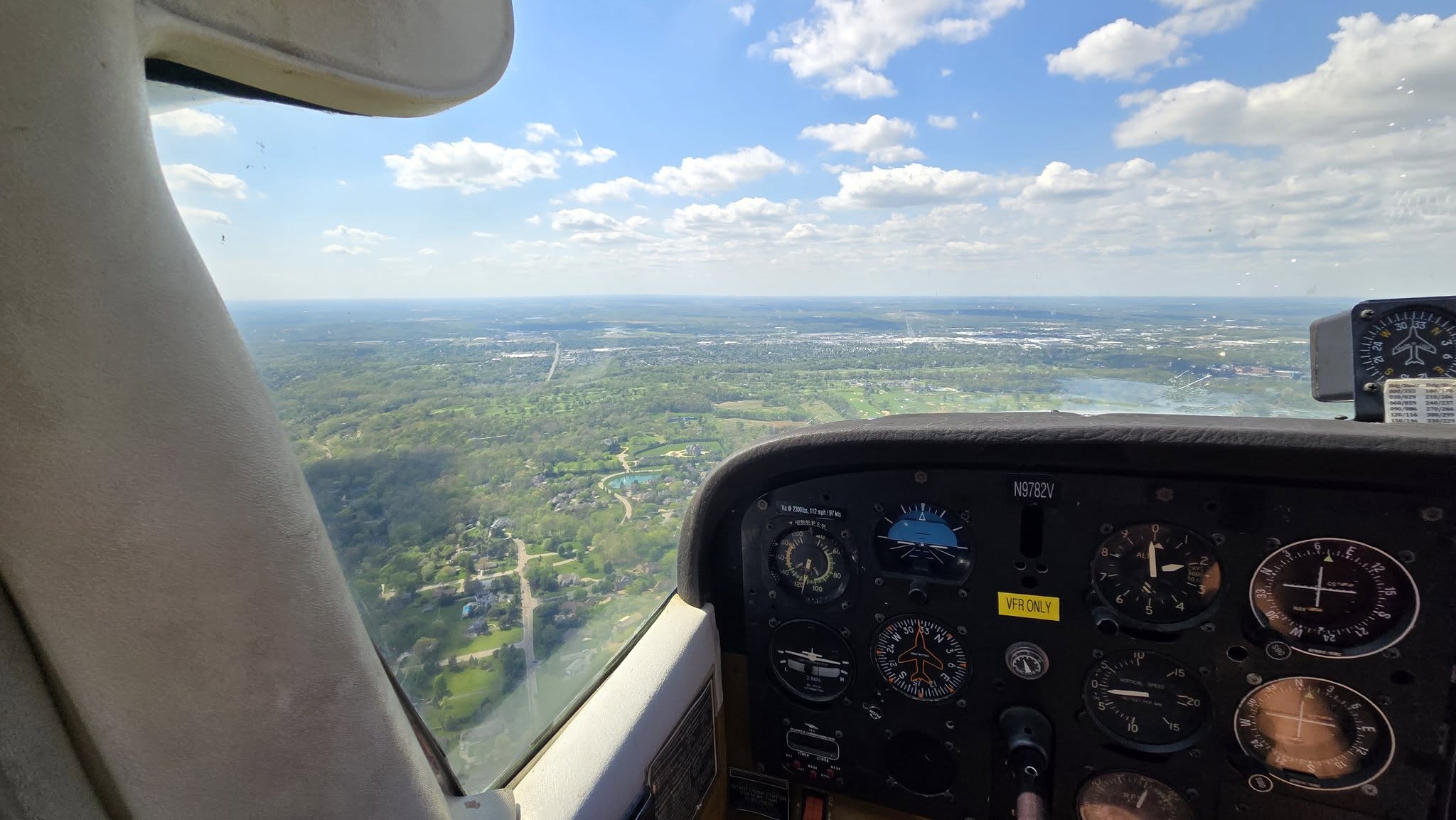
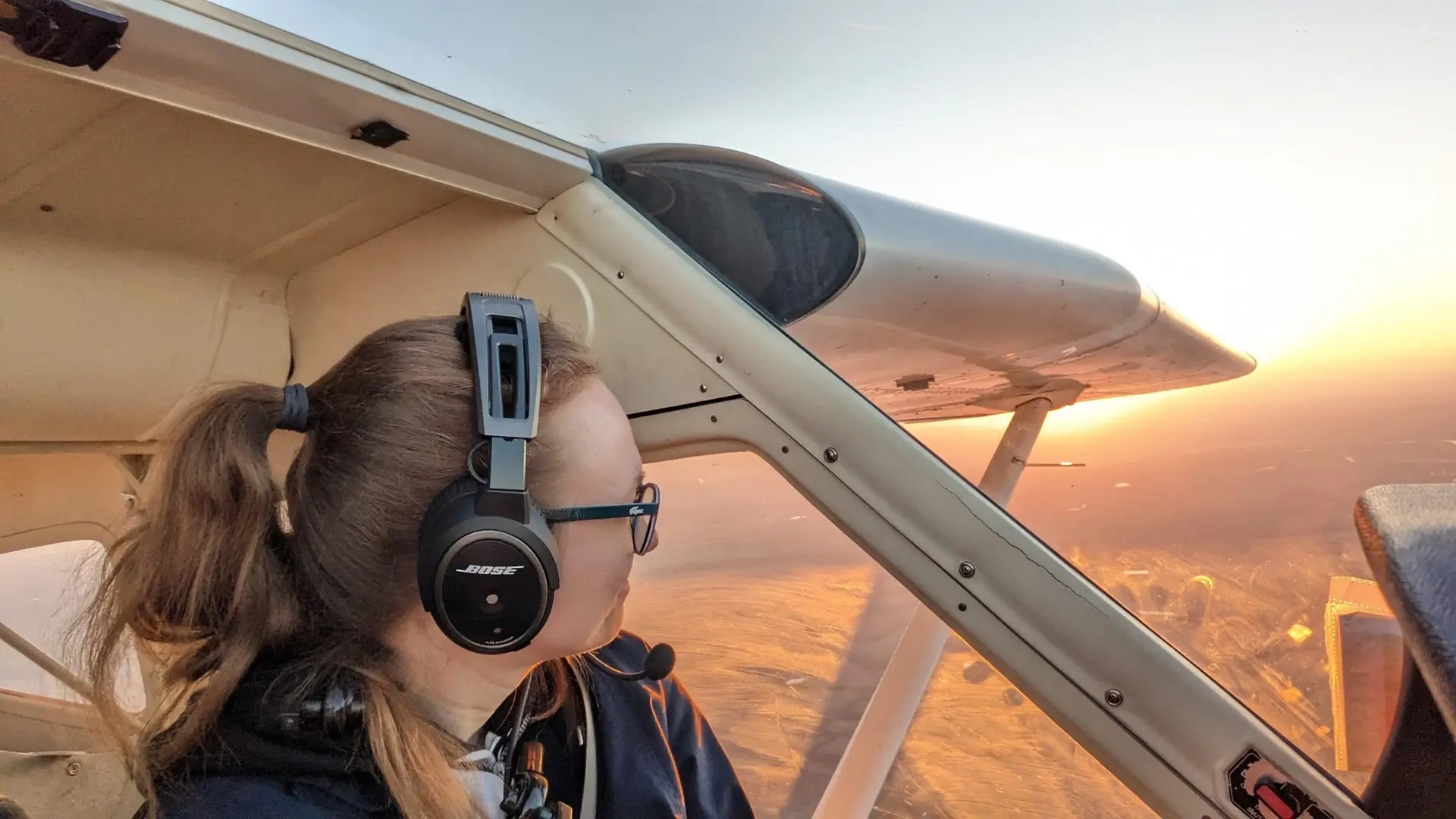
Reviewing the lesson before startup leaves more attention available for flying, scanning, and instructor feedback.
Keep your flight training budget and schedule in one plan
Consistency can reduce avoidable review, but it cannot guarantee a completion date, a final number of hours, or a total cost. Progress also depends on proficiency, preparation, weather, aircraft and instructor availability, testing, and checkride scheduling.
Instead of choosing the most aggressive pace on paper, decide what you can fund and sustain. A two-week sprint followed by a six-week pause may be harder to carry than a steady plan that leaves room for the rest of your obligations.
Include more than airplane time in the budget conversation. Plan for instructor time, ground instruction, study materials, testing, examiner fees, supplies, and other requirements related to your training path. We use a pay-as-you-train approach, so you can go beyond “What does one lesson cost?” and ask “What weekly rhythm can I keep?”
If payment timing or financing affects that answer, we can talk through current payment and financing questions before you commit to a pace. We will not treat approval or affordability as a given. Bring those questions into the same conversation as your schedule when you contact our schoolhouse.
Adjust lesson frequency as training progresses
You may not need the same calendar from first lesson to checkride preparation. Early training benefits from frequent exposure to basic aircraft control, checklists, airport operations, and landings. Cross-country phases can require longer blocks. Checkride preparation may become more focused around weak areas and demonstrated readiness.
Your life may change too. A college student can fly more during a break. A working parent may protect early mornings. A career-minded student may choose a more intensive season after arranging work and finances. Changing pace is not the same as losing direction when you and your instructor adjust deliberately.
| When your situation changes | A useful response |
|---|---|
| Work becomes temporarily demanding | Reduce to a dependable maintenance rhythm and keep studying |
| Weather cancels several flights | Rebook promptly and use suitable time for ground preparation |
| The same skill remains difficult | Give your instructor room to adjust the lesson sequence and practice |
| You are approaching a milestone | Protect larger or more frequent blocks if your instructor recommends them |
| Budget needs a reset | Discuss the next logical stopping point instead of disappearing mid-lesson sequence |
Our Private Pilot program and other training paths are built around FAA requirements and your demonstrated proficiency, not a generic calendar promise. Your instructor helps decide when you are ready to move forward.
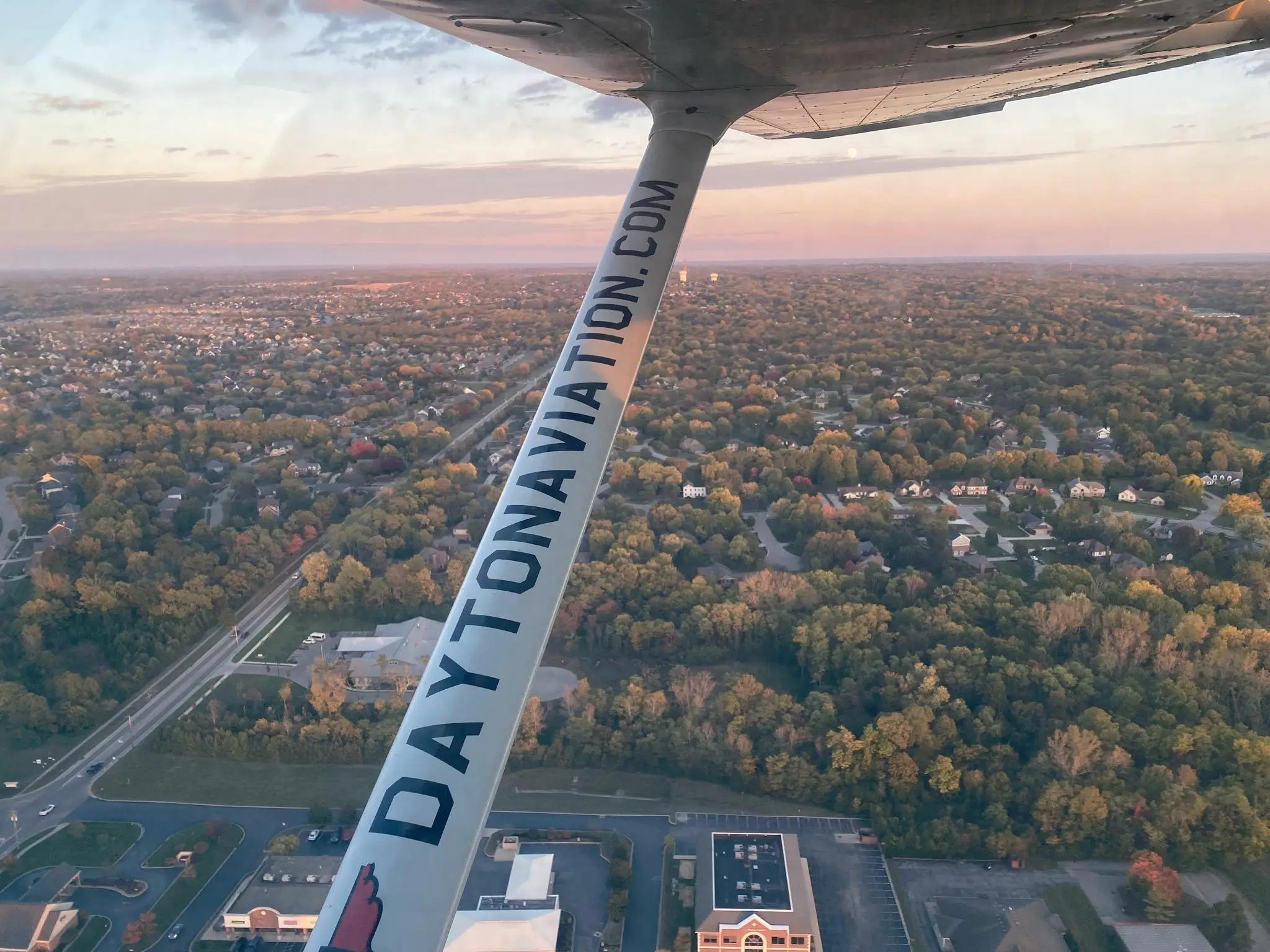
A consistent plan turns a distant certificate into a sequence of lessons and achievable milestones.
Common questions about flight lesson frequency
These answers can help you refine a schedule before you enroll.
Is one flight lesson per week enough?
One lesson per week can work when that is the pace you can sustain, especially if you prepare carefully between flights. It leaves less buffer for weather and may create more review than a more frequent rhythm. If possible, consider a second booking or backup slot.
Is flying three times a week too much?
Not necessarily. Three lessons may support strong continuity if you have enough time to prepare, rest, and absorb feedback. If the pace makes every arrival rushed, two well-prepared lessons may be more productive than three hurried ones.
How long is too long between flight lessons?
There is no single cutoff that applies to every student. Your experience, training phase, and the skill being practiced all matter. If a gap is unavoidable, review your notes and contact your instructor so the return lesson can be planned intentionally.
Should I schedule ground lessons on bad-weather days?
Ground instruction can be a productive alternative when a planned flight cannot operate and the instructor has a suitable lesson available. Weather itself is also part of pilot training. The decision depends on the day’s objective, conditions, and scheduling.
Can I complete flight training part-time?
Yes. We support both full-time and part-time students. A steady part-time plan works best when the lesson times, study habits, and budget are realistic enough to repeat.
Does flying more often lower the cost of training?
Frequent training can reduce avoidable review, but it does not guarantee a lower total. Training cost varies with proficiency, weather, preparation, aircraft and instructor time, tests, supplies, examiner fees, and other individual factors.
Build your training rhythm with an instructor
You can start with two or more weekly lesson bookings if that pace fits your life, then let your actual training show whether the rhythm should change. Protect study time between flights, leave room for weather, and speak up early when work, family, or budget begins pushing the plan off course.
If you are ready to reserve training time, enroll with Dayton Aviation Services. Tell us what you want to fly, when you are generally available, and what experience you already have. We will help you turn that information into a realistic first training rhythm at Moraine Airpark.