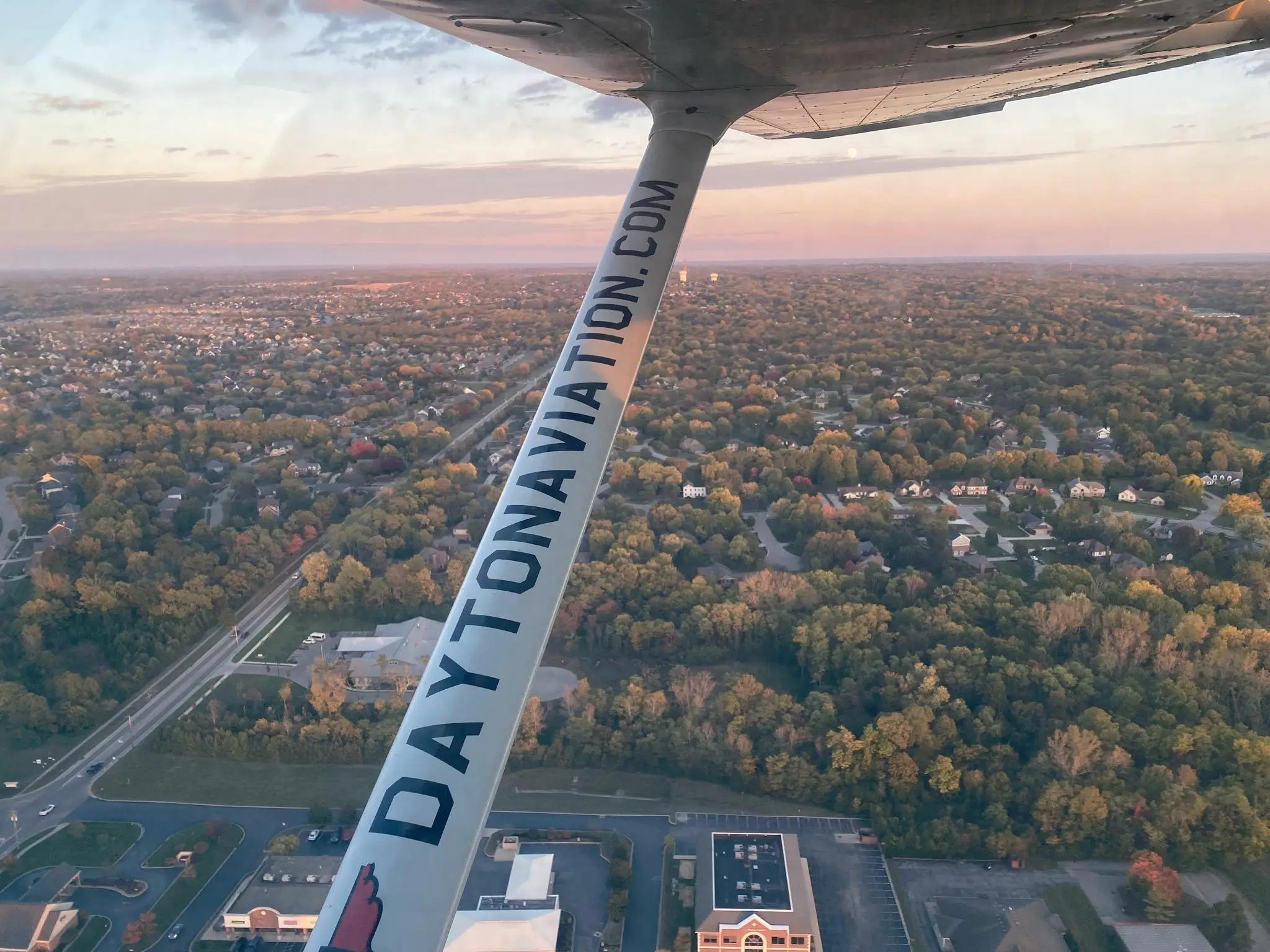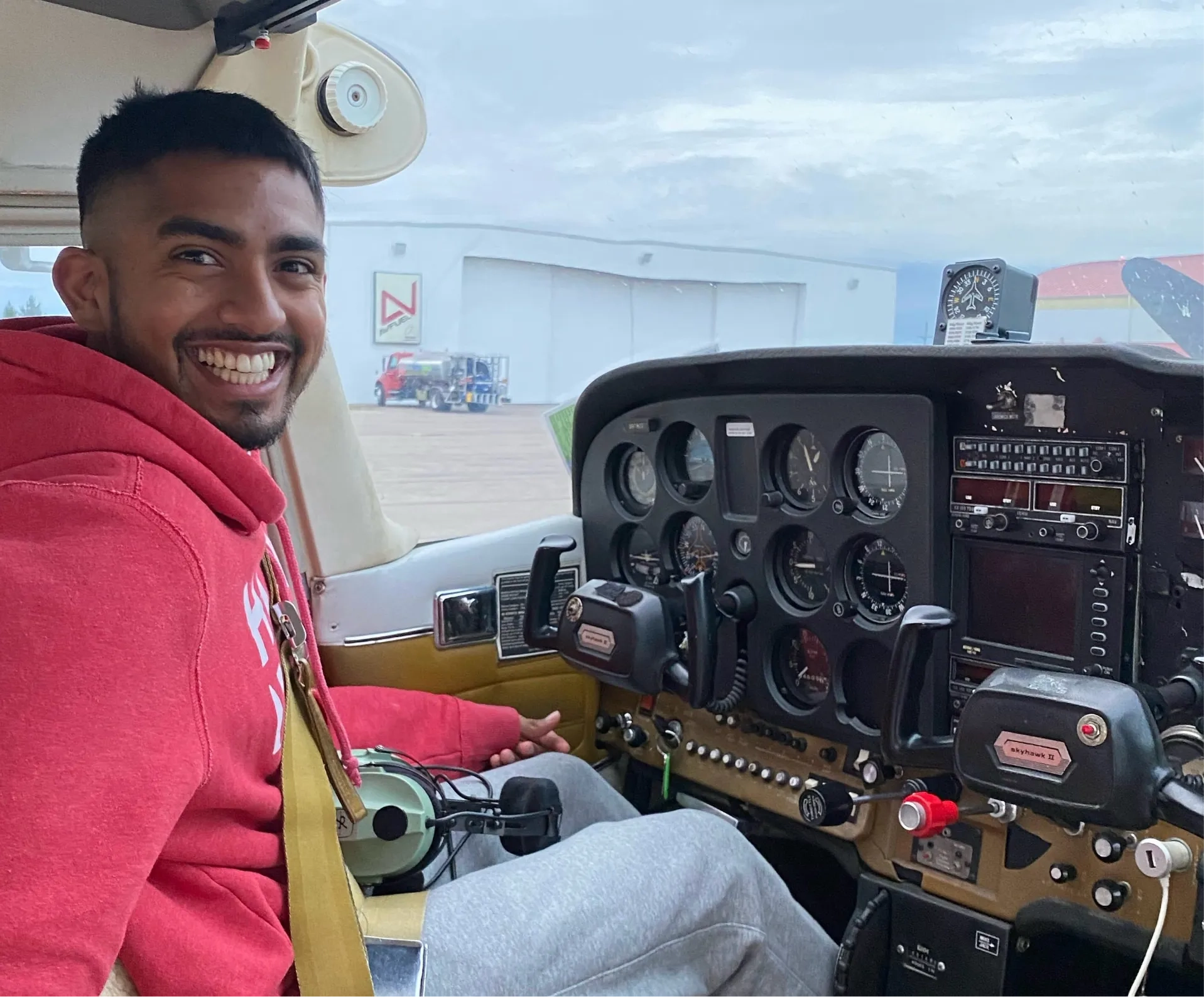
How to Become a Pilot in Ohio: 2026 Guide
Learn how to become a pilot in Ohio in 2026, from your first flight and FAA paperwork to training, solo, the checkride, and budget planning.

Published by
Rich CoxPublished on
Read time
11 min read
If you want to become a pilot in Ohio, the short answer is that you train with a certificated instructor, complete the applicable FAA requirements, pass a knowledge test, and finish with a practical test called the checkride.
Paperwork is one part of the decision. Your school, instructor fit, airport, lesson rhythm, and budget can determine whether training progresses or stalls between occasional flights. At Dayton Aviation Services, our Part 61 schoolhouse at Moraine Airpark helps you turn federal requirements into a local plan built around your schedule and intended flying.
This 2026 guide walks you from the first cockpit visit to checkride readiness and shows you where smart planning saves time, money, and frustration.
Your first decision is the kind of flying you want to do
Before comparing airplanes or hourly rates, define the mission. Do you picture local weekend flights with one passenger? Family travel? A foundation for instrument training? An eventual professional path?
For beginners, the first choice is between Sport Pilot training and Private Pilot training.
| First certificate | A practical fit when you want… | What to plan around |
|---|---|---|
| Sport Pilot | Focused recreational flying within sport-pilot privileges | Aircraft eligibility, passenger and operating limits, medical eligibility, and your longer-term plans |
| Private Pilot | Broader personal flying privileges and a foundation for later ratings | Medical eligibility, night and cross-country training, total proficiency, and budget |
Choose the certificate around the flying you actually want. Regulatory minimums alone do not reveal which privileges will serve you best. Our detailed Sport Pilot vs. Private Pilot comparison can help you sort through that decision before you commit.
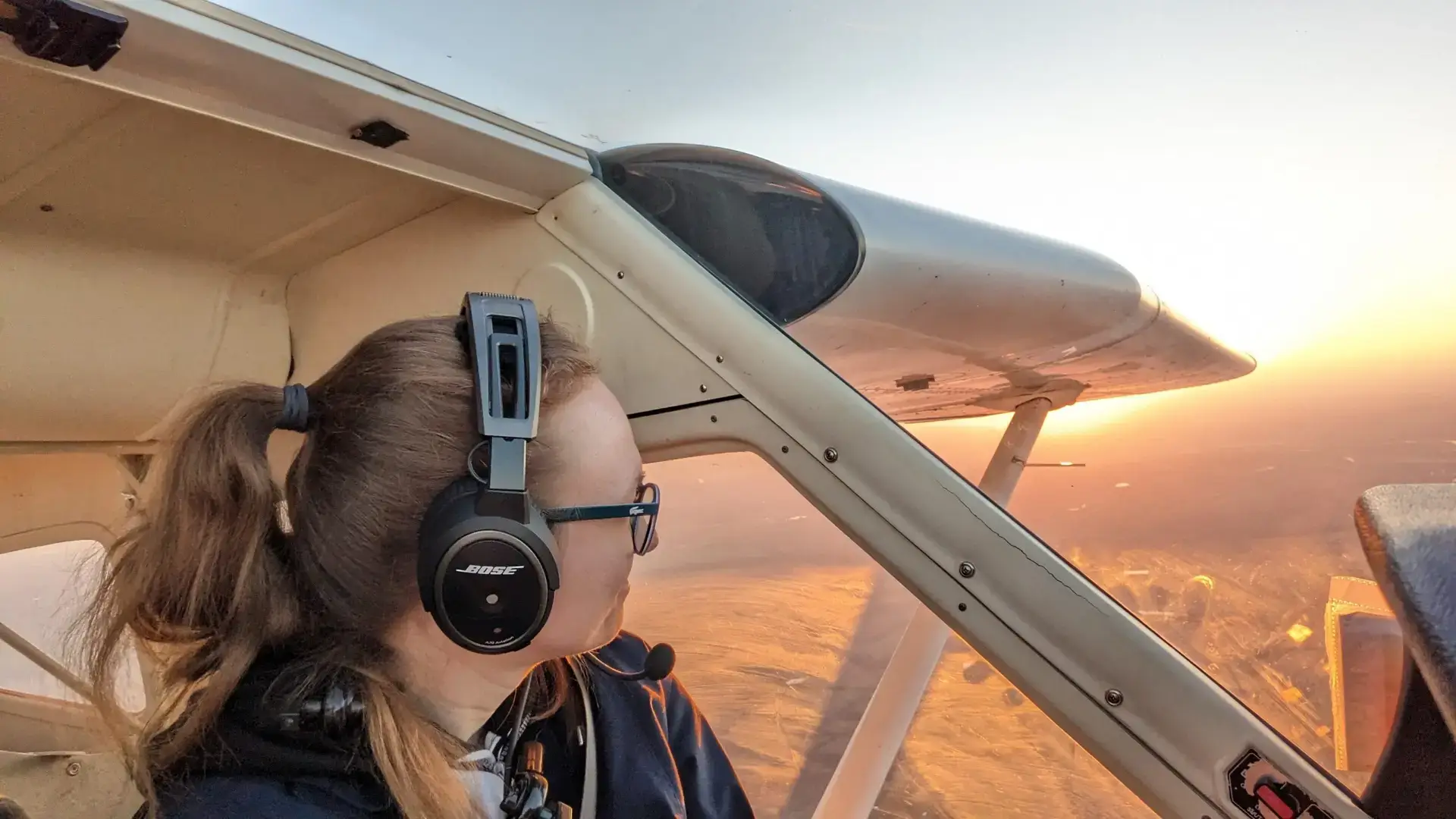
If you are still unsure, a discovery flight at Moraine Airpark turns an abstract comparison into a real cockpit experience.
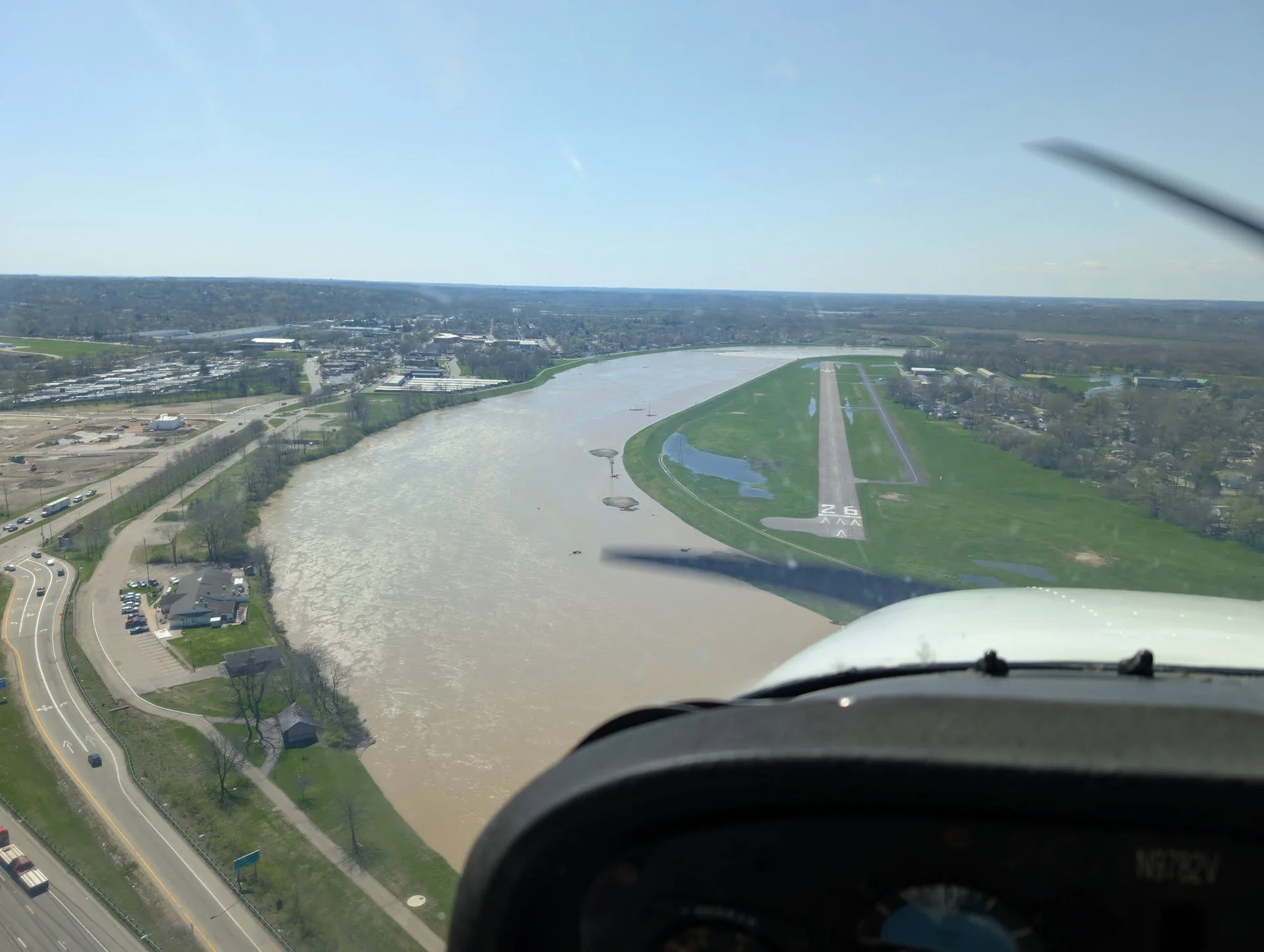
A first lesson brings certificate choices into focus by showing what local flying looks like from the cockpit.
A local school turns FAA rules into a training plan you can repeat
The FAA requirements are federal, but your training life is local. A school you can reach consistently may be more useful than one that looks convenient only on paper.
Visit the airport and observe how the operation works. Can the team explain instructor scheduling, aircraft access, weather cancellations, ground study, maintenance communication, and the path to your first solo without rushing you? Can you picture returning often enough to retain what you learn?
We are based at Moraine Airpark (I73), close to downtown Dayton. Our one-to-one Part 61 format lets us shape lessons around your progress instead of forcing every student into the same calendar. That flexibility works best when you protect consistency; our guide to how often you should fly during training explains why long gaps can create expensive review time.
When you tour a flight school, focus on these questions:
- Instructor fit: Who will teach you, and how will schedule changes be handled?
- Aircraft access: Which airplane supports your certificate path, and how is availability managed?
- Training rhythm: What lesson frequency can your life and budget sustain?
- Ground preparation: What should you study between flights?
- Cost clarity: Which expenses sit outside the quoted aircraft and instructor rates?
Start flight lessons while completing the paperwork
You do not need a student pilot certificate merely to take lessons with an instructor. The FAA requires it before you fly solo. For airplane applicants, student pilot eligibility generally begins at age 16, and a private pilot applicant must be at least 17.
The usual student-certificate path runs through the FAA’s online Integrated Airman Certification and Rating Application, or IACRA. A certificated flight instructor or another authorized person then verifies the application. The FAA explains the process on its Become a Pilot page.
You can start learning before every form is familiar. Book a discovery flight or begin dual instruction while your instructor helps you map the documents and milestones that apply to your certificate.
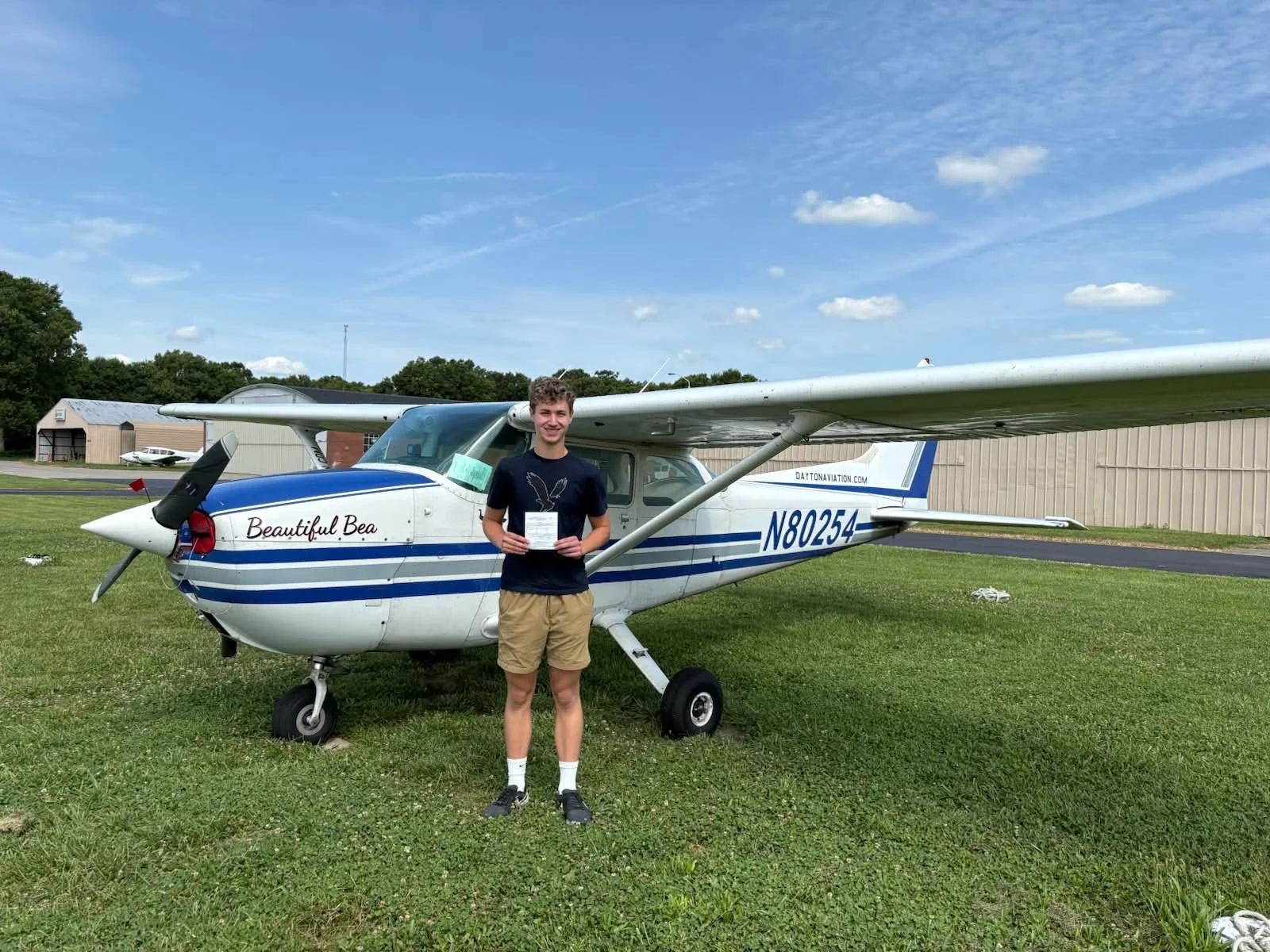
Each completed requirement moves a student closer to earning an FAA pilot certificate.
Address FAA medical eligibility before a major training expense
Medical eligibility depends on the certificate and operating path. A student working toward airplane private pilot privileges will generally plan for at least a third-class FAA medical before solo, while sport-pilot rules can allow a valid U.S. driver’s license in qualifying circumstances. BasicMed is not a first-time substitute for every new applicant.
Because medical histories and medications can affect the process, raise questions early. The FAA uses MedXPress for medical applications, and Aviation Medical Examiners conduct the exams. The FAA’s medical certification portal includes current guidance and an AME locator.
This is not a place for self-diagnosis. If you have a medical history or medication concern, review the FAA guidance and talk with an appropriate aviation medical professional before making a large training commitment. We can help you place that step in your private pilot training plan, but the medical decision belongs with the FAA and qualified medical professionals.
Training builds from aircraft control to independent decisions
Private pilot training builds far beyond takeoffs and landings. You develop skills in layers: preflight inspection, checklists, aircraft control, radio communication, airport operations, emergency procedures, navigation, weather judgment, solo experience, cross-country planning, night training, and practical-test preparation.
Under Part 61, a private pilot airplane applicant needs at least 40 hours of flight time with required categories of dual instruction and solo experience. That number is a regulatory floor, not a predicted finish line. The FAA notes a national average of approximately 75 hours, and your actual total can move with lesson frequency, preparation, weather, aircraft and instructor availability, proficiency, and checkride scheduling. See the FAA’s hourly-requirements explanation for the national context.
At our schoolhouse, your knowledge, judgment, and aircraft control determine when the plan advances. Calendar dates are targets rather than readiness standards. Our Part 61 guide for busy Dayton students shows how flexibility and structure work together.
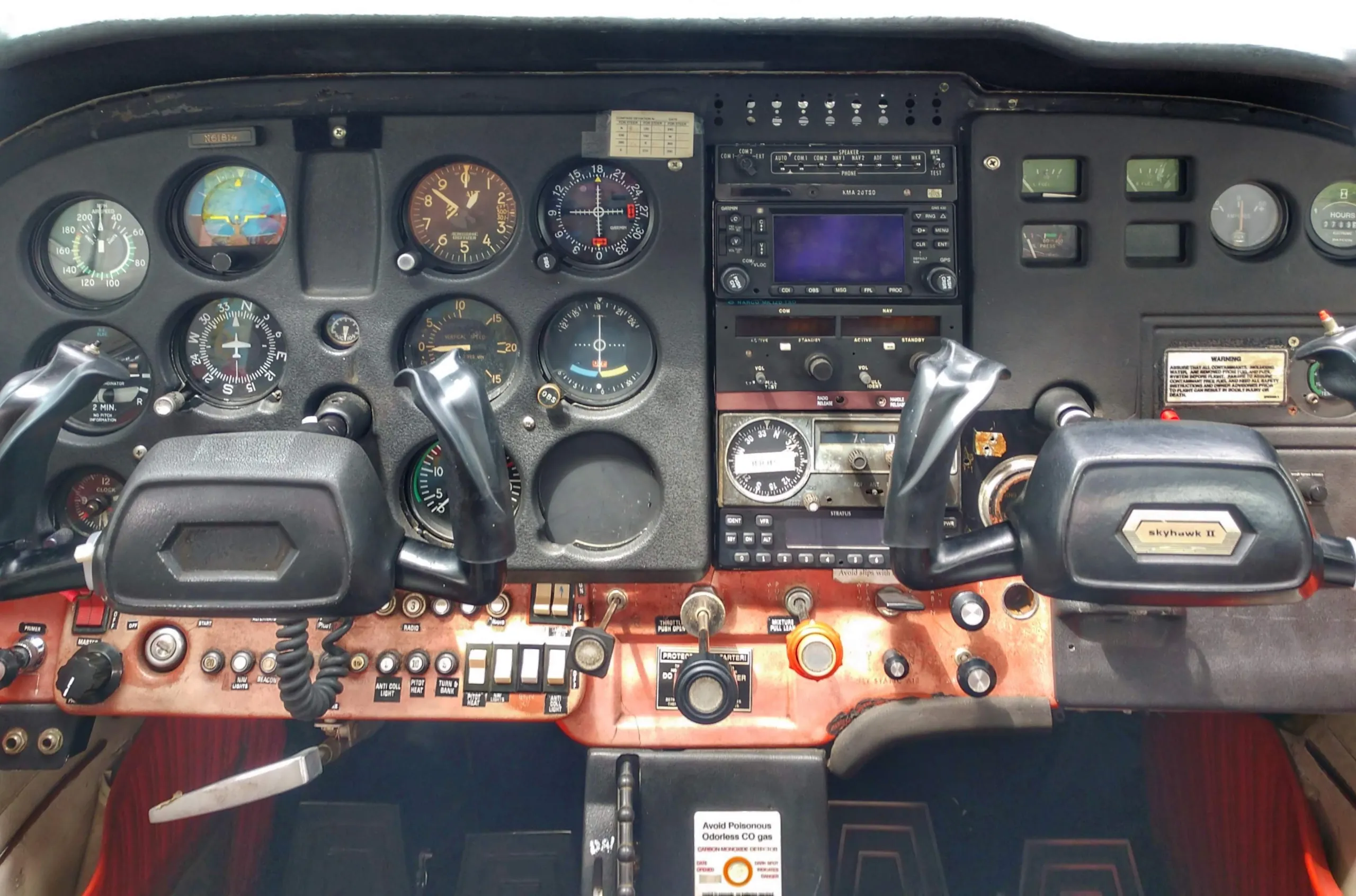
Each cockpit hour works better when study, preparation, and recent practice arrive with you.
Prepare for the FAA knowledge test and private pilot checkride
The FAA private pilot path includes both a knowledge test and a practical test. Your instructor provides the required training and endorsements when you are prepared. The practical test includes an oral portion and a flight portion conducted to the applicable Airman Certification Standards.
The strongest checkride preparation starts well before the final week. Connect ground study to each flight lesson: weather knowledge to a go/no-go decision, performance calculations to the airplane you will fly, and regulations to the privileges you plan to exercise. Our pilot library gives you a place to find school procedures, aircraft documents, handbooks, and study resources.
Your instructor recommends you for the practical test when you meet the applicable requirements and demonstrate readiness. Examiner availability and scheduling can vary, so build that uncertainty into the plan instead of treating a target date as a guarantee. The FAA’s private pilot practical-test guidance outlines applicant documents and responsibilities.
A realistic Ohio training budget includes more than airplane time
An hourly aircraft rate is not an all-in certificate price. A useful budget separates the pieces you can plan:
- Aircraft rental and any current operating or fuel-related charges
- Flight and ground instruction
- Ground school, books, apps, charts, headset, and study supplies
- FAA knowledge-test and medical-exam costs
- Practical-test examiner fee and aircraft time for the checkride
- Additional training or retest costs, if needed
Training totals change with proficiency and scheduling, so compare schools using the same assumptions. Ask what is included, what is separate, and what happens when weather or maintenance interrupts the calendar. You can review our fleet and current aircraft details as one part of that conversation.
Financing and payment timing deserve the same early honesty. If either affects whether you can maintain a consistent lesson rhythm, discuss it before enrollment. Do not plan around a loan, scholarship, or payment option until its current availability, eligibility, fees, and terms are verified. Contact our team to talk through current training cost components and payment timing without pretending one estimate fits every student.
Plan for proficiency after earning your pilot certificate
After you meet the eligibility, training, experience, testing, and endorsement requirements, the checkride is the final certification event. Passing it earns the applicable FAA pilot certificate and the responsibility to operate within its privileges and limitations.
For some Ohio pilots, a private certificate unlocks personal travel and family flying. Others continue toward an Instrument Rating, Commercial Pilot Certificate, or Certified Flight Instructor Certificate. Those are separate training milestones, and none guarantees a job or airline position.
You also need a plan to remain current and proficient. Aircraft rental, flight reviews, instrument proficiency work, and regular flying keep the certificate connected to real skill. Our guide to aircraft rental after certification explains what that next phase can look like.
Common questions from future Ohio pilots
Do I need an Ohio pilot license?
No. Pilot certificates are issued under federal FAA rules. You can train locally at an Ohio flight school, but the certificate and applicable requirements come from the FAA. Start by comparing the paths on our Learn to Fly page.
Can I start flight lessons without a student pilot certificate?
Yes. You can take dual lessons with an instructor before receiving a student pilot certificate. You need the applicable certificate, medical eligibility, training, and instructor endorsements before solo flight. A discovery flight is a practical first cockpit experience.
How old do I need to be to become a pilot in Ohio?
For airplanes, you generally must be at least 16 to be eligible for a student pilot certificate and solo flight, and at least 17 to earn a private pilot certificate. Younger students can still begin appropriate dual instruction. Contact the schoolhouse to discuss a sensible start for a younger learner.
How long does it take to earn a private pilot certificate?
There is no honest universal timeline. Lesson frequency, study habits, weather, proficiency, aircraft and instructor availability, and checkride scheduling all matter. We can help you build a repeatable plan through our enrollment process.
Is the 40-hour FAA minimum a realistic budget estimate?
No. It is the Part 61 regulatory minimum for a private pilot airplane applicant, not a completion guarantee. Budget for proficiency and ask for an estimate that identifies aircraft, instruction, testing, medical, supplies, examiner, and possible additional-hour costs. Our private pilot program is the right place to start that conversation.
Should I choose Sport Pilot or Private Pilot first?
Choose around your mission, medical eligibility, aircraft, passenger needs, operating privileges, and future ratings. Review our certificate comparison and let us help you connect the rules to the flying you want to do.
Put the first flight on your calendar
Becoming a pilot in Ohio starts with a federal pathway and a very local decision: where will you show up often enough to become capable and confident?
At Moraine Airpark, we will help you compare certificate paths, understand the early paperwork, and sketch a realistic training rhythm around your schedule and budget. The clearest first step is to book a discovery flight and experience the cockpit before the plan becomes another tab left open.