MOSAIC FAA Rule: What Changed for Sport Pilot Training
Learn how the MOSAIC FAA rule changed sport pilot aircraft, medical options, night privileges, training, and your path into the cockpit.

Published by
Rich CoxPublished on
Read time
9 min read
Learning to fly has always carried three big questions: Can I afford it? Can I meet the medical requirements? And what airplanes will I actually be able to fly? The MOSAIC FAA rule changed part of that equation.
The short answer is that MOSAIC gives sport pilots access to a much broader range of aircraft and adds new privileges, while keeping meaningful limits on passengers, weather, training, and medical qualification. It does not turn a sport pilot certificate into a private pilot certificate, remove the checkride, or make every airplane available to every sport pilot.
If you heard about MOSAIC on a podcast or in a pilot forum, here is what changed, and how the new framework may affect learning to fly in Dayton.
MOSAIC replaced one blunt limit with aircraft performance rules
MOSAIC stands for Modernization of Special Airworthiness Certification. The FAA published the final rule on July 2025. The sport-pilot certification changes took effect on October 22, 2025, while a later group of light-sport aircraft certification provisions took effect earlier this year on July 24, 2026.
Before MOSAIC, the familiar light-sport aircraft definition included a maximum takeoff weight of 1,320 pounds for land airplanes. That single number kept many common trainers outside sport-pilot privileges.
MOSAIC separated two ideas that used to be tied together: how a light-sport category aircraft is certificated and what aircraft a sport pilot may operate. Current sport-pilot aircraft eligibility is based on performance and design criteria in 14 CFR 61.316, including stall speed, seating capacity, cabin type, and other characteristics, different from the old blanket weight cap.
The FAA’s MOSAIC overview provides the official timeline, and our Sport Pilot program shows how that certificate fits into training at Moraine Airpark.
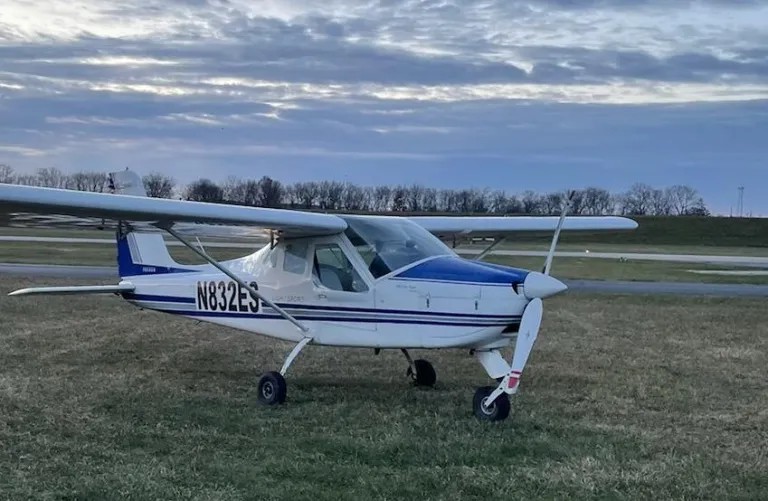
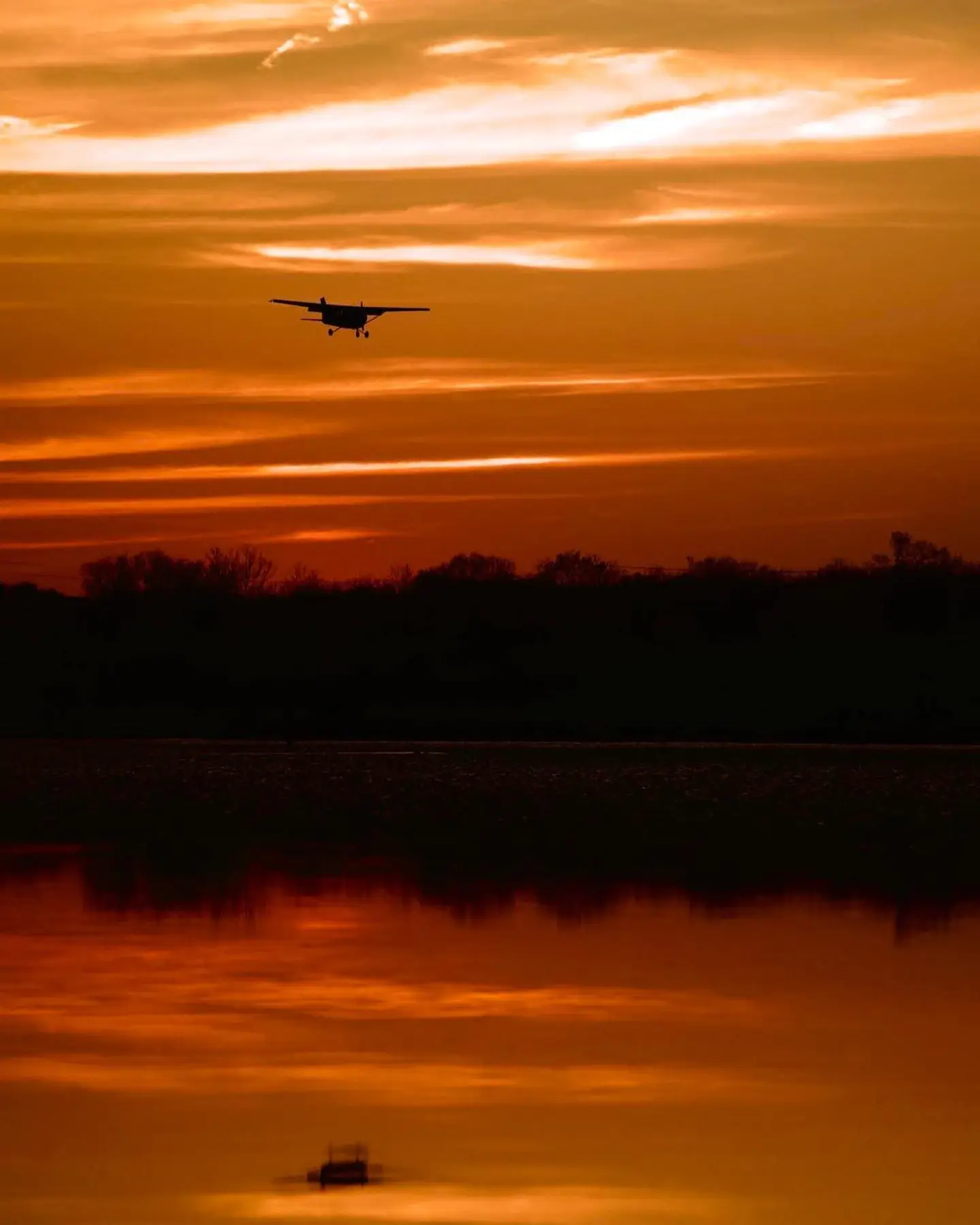
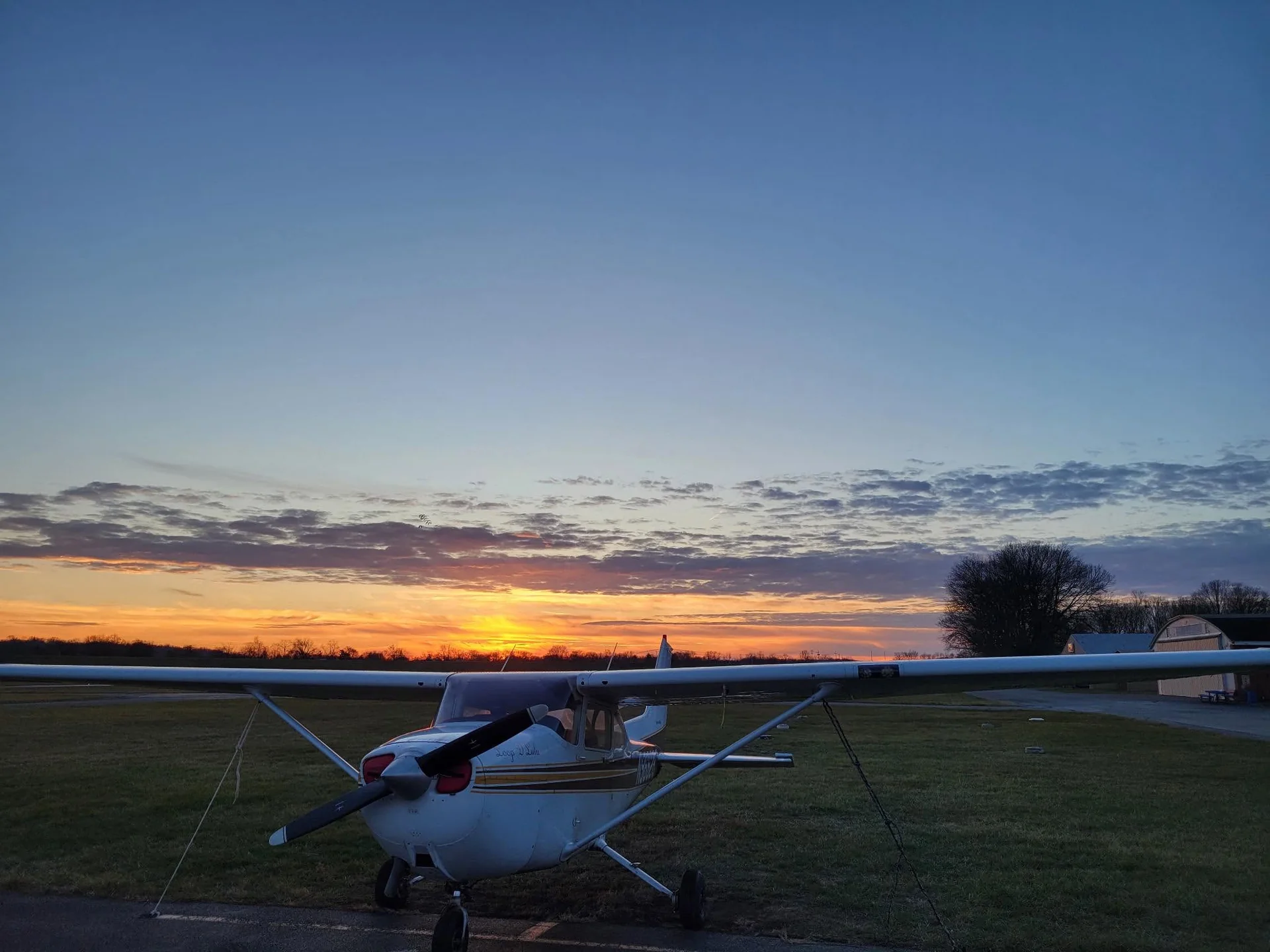
A light training airplane on the ramp connects the rule change to everyday flight training.
MOSAIC expanded eligible aircraft while preserving training standards
For airplane students, the most visible change is that a qualifying airplane may have up to four seats. Yet a sport pilot may still carry only one passenger, so a four-seat cabin does not become a four-person sport-pilot flight.
MOSAIC also created paths to operate airplanes with retractable landing gear, manual controllable-pitch propellers, and other expanded characteristics when the required training and instructor endorsements are complete. The aircraft itself must satisfy the FAA criteria, and school availability, insurance requirements, checkout policies, and instructor qualifications still shape what you can train in or rent.
That is why “Can a sport pilot fly a Cessna 172 now?” needs an aircraft-specific answer rather than a blanket yes. The better first question is: Does this particular airplane meet the rule, and does it fit the school’s current sport-pilot training setup? Our fleet overview can help you recognize the aircraft, while a training conversation establishes what is currently available for your certificate path.
A driver’s license can still work for daytime flying, with eligibility limits
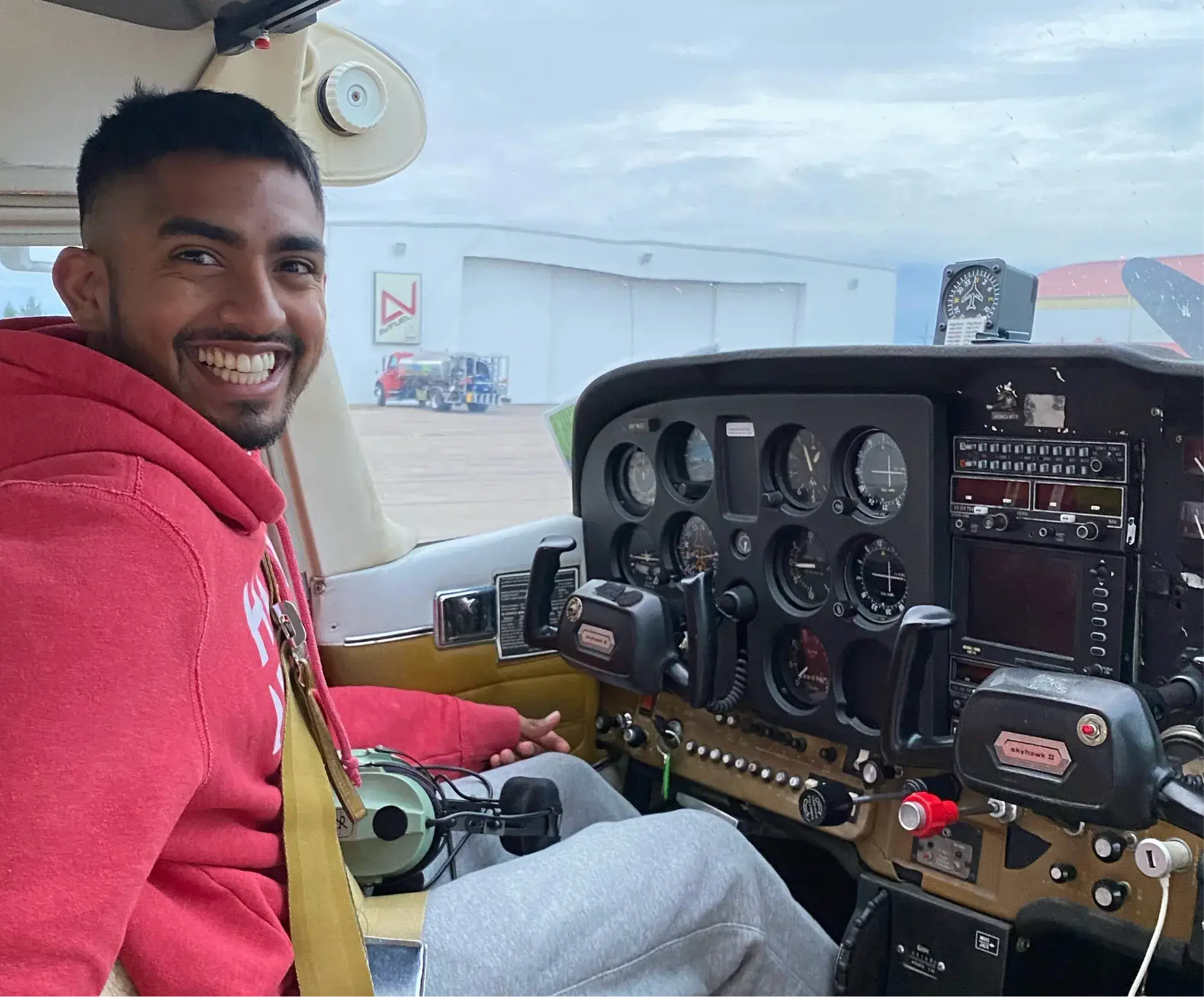
For many prospective students, medical eligibility is the most consequential part of the MOSAIC discussion. When FAA eligibility rules are met, a current and valid U.S. driver’s license may serve as the medical basis for daytime sport-pilot privileges. It is distinct from BasicMed, and individual medical history can affect eligibility.
Prior FAA medical outcomes and current health can affect eligibility. You also may not act as a required crewmember if you know or have reason to know of a medical condition that would make you unable to operate safely. For personal medical questions, use current FAA guidance and speak with an Aviation Medical Examiner.
The FAA’s Sport Pilot page explains the current framework. We can help you compare that framework with private pilot training before you choose a program.
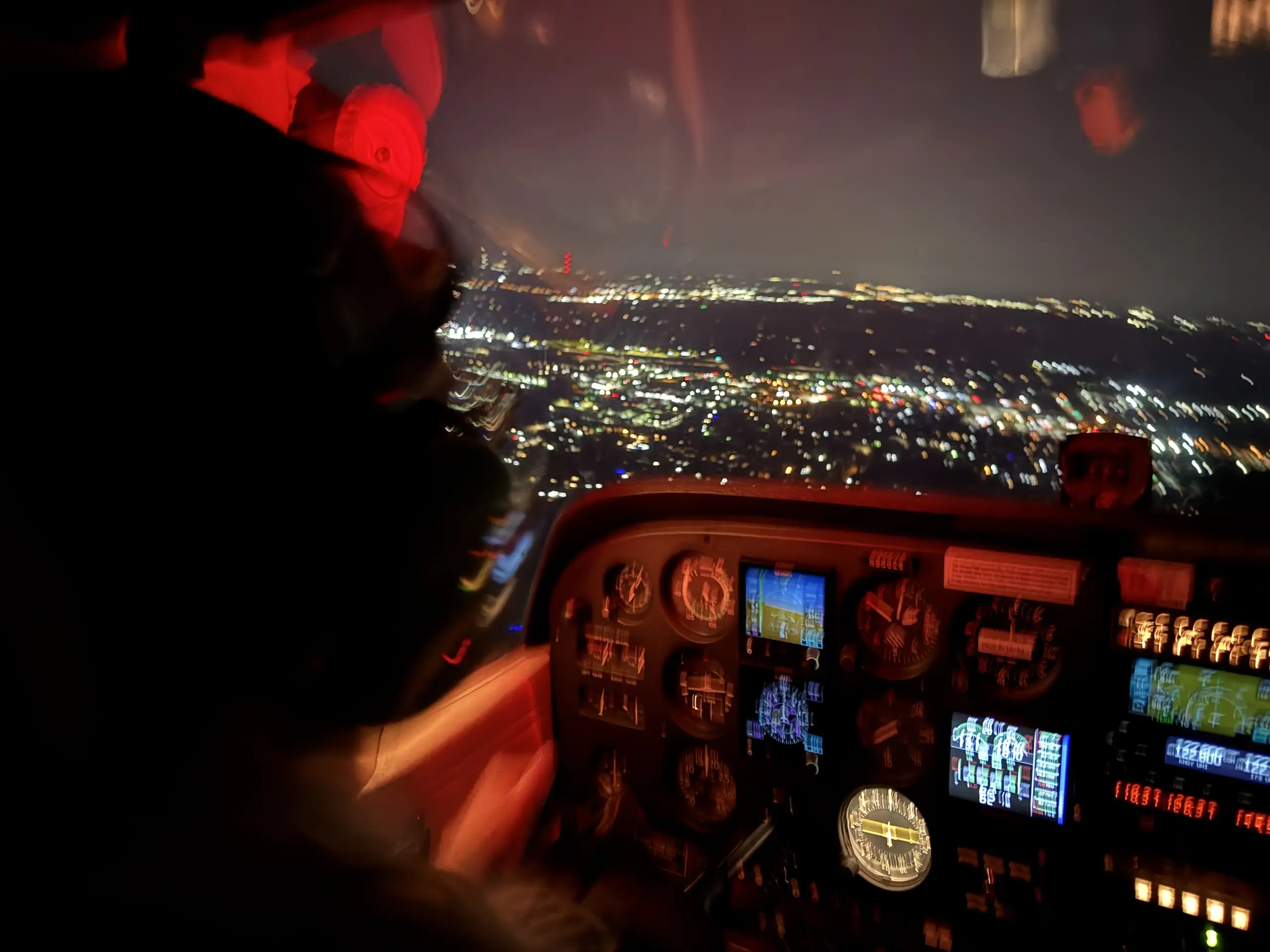
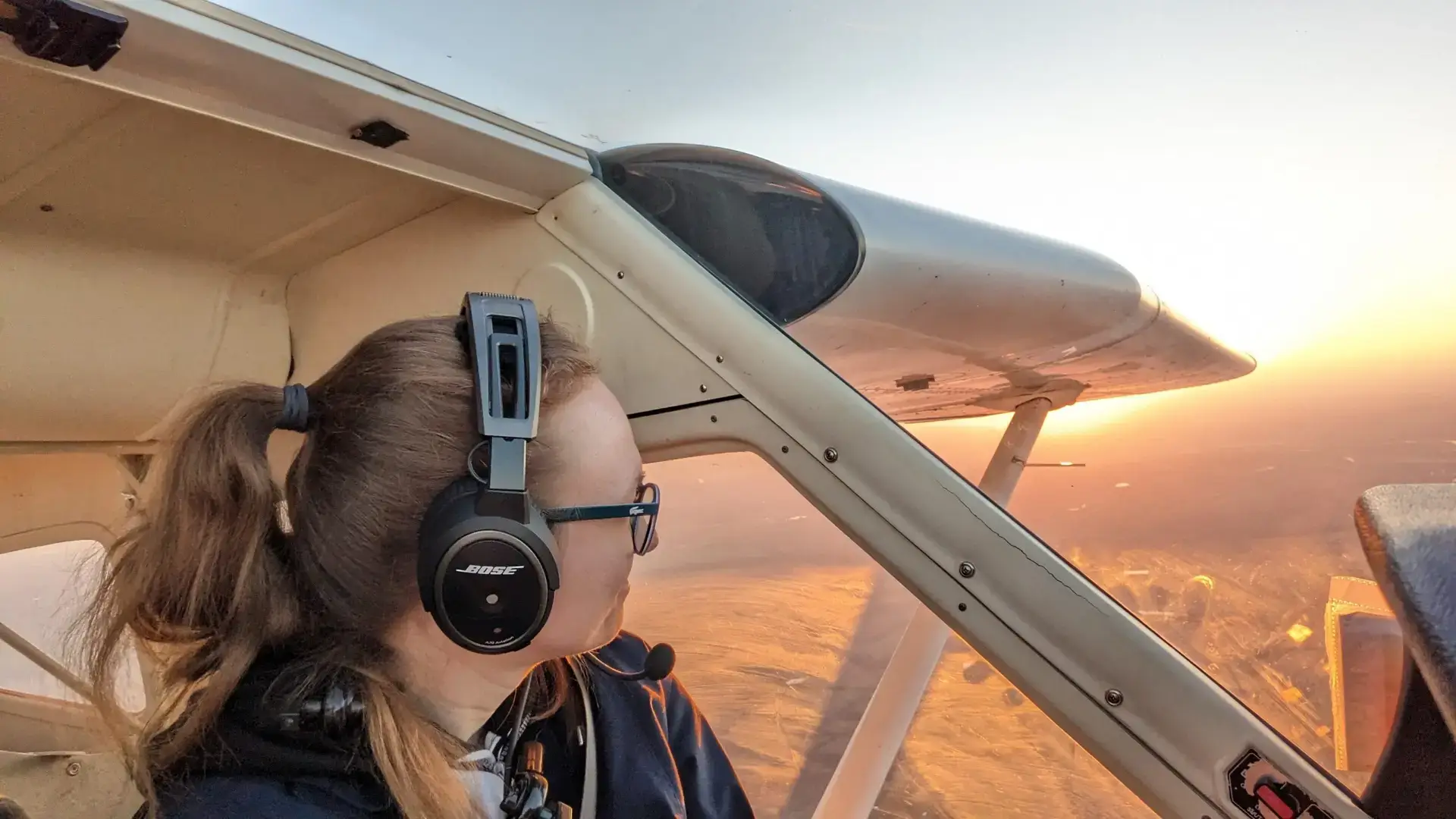
MOSAIC opened a path to night flying for qualified sport pilots who complete the required training and meet the medical requirements.
MOSAIC night privileges and IFR limits
One common summary is that sport pilots are still limited to day VFR. That is no longer the whole story. MOSAIC allows optional night operations after the pilot completes the required night training and receives the appropriate instructor endorsement. Night flying also requires an FAA medical certificate or BasicMed qualification; the driver’s-license pathway alone is for daytime privileges.
MOSAIC did not create instrument flight rules (IFR) privileges for sport pilots. Sport-pilot operations retain visibility and visual-reference limits, along with airspace, altitude, passenger, compensation, aircraft, and endorsement restrictions.
Training, endorsements, and the checkride still matter
The aircraft envelope expanded; the responsibility to become a safe pilot did not. You still need the ground and flight training required for the certificate, instructor endorsements for solo and other applicable privileges, a knowledge test, and a successful practical test.
Additional aircraft features can add additional training. Retractable landing gear and a manually controlled propeller are not boxes to check casually. They change cockpit workload, procedures, and the decisions a pilot must make consistently.
For budgeting, compare more than the FAA minimum hours. Your total training cost depends on proficiency, lesson frequency, aircraft and instructor rates, weather, study habits, supplies, testing, and examiner fees. If payment timing or financing affects how consistently you can fly, include it in the plan early. Our Learn to Fly page is a useful starting point for the full training conversation.
How MOSAIC affects training at Dayton Aviation Services
Our sport pilot program is centered on the two-seat Tecnam P92. It remains a focused trainer for students whose intended flying aligns with sport-pilot privileges.
MOSAIC gives us a broader framework for discussing what may be possible beyond the old weight-based rule. It does not make every four-seat airplane an automatic sport trainer, and it does not make a wider fleet more important than the right instructor, consistent lessons, or a certificate that matches your mission.
When you sit down with us at Moraine Airpark, we will start with practical questions: Who do you want to take flying? Do you want to fly at night? Is personal travel part of the plan? Are later ratings already on your mind? If you want to experience the training environment first, a discovery flight lets you evaluate the airplane, schoolhouse, and instruction from the cockpit.
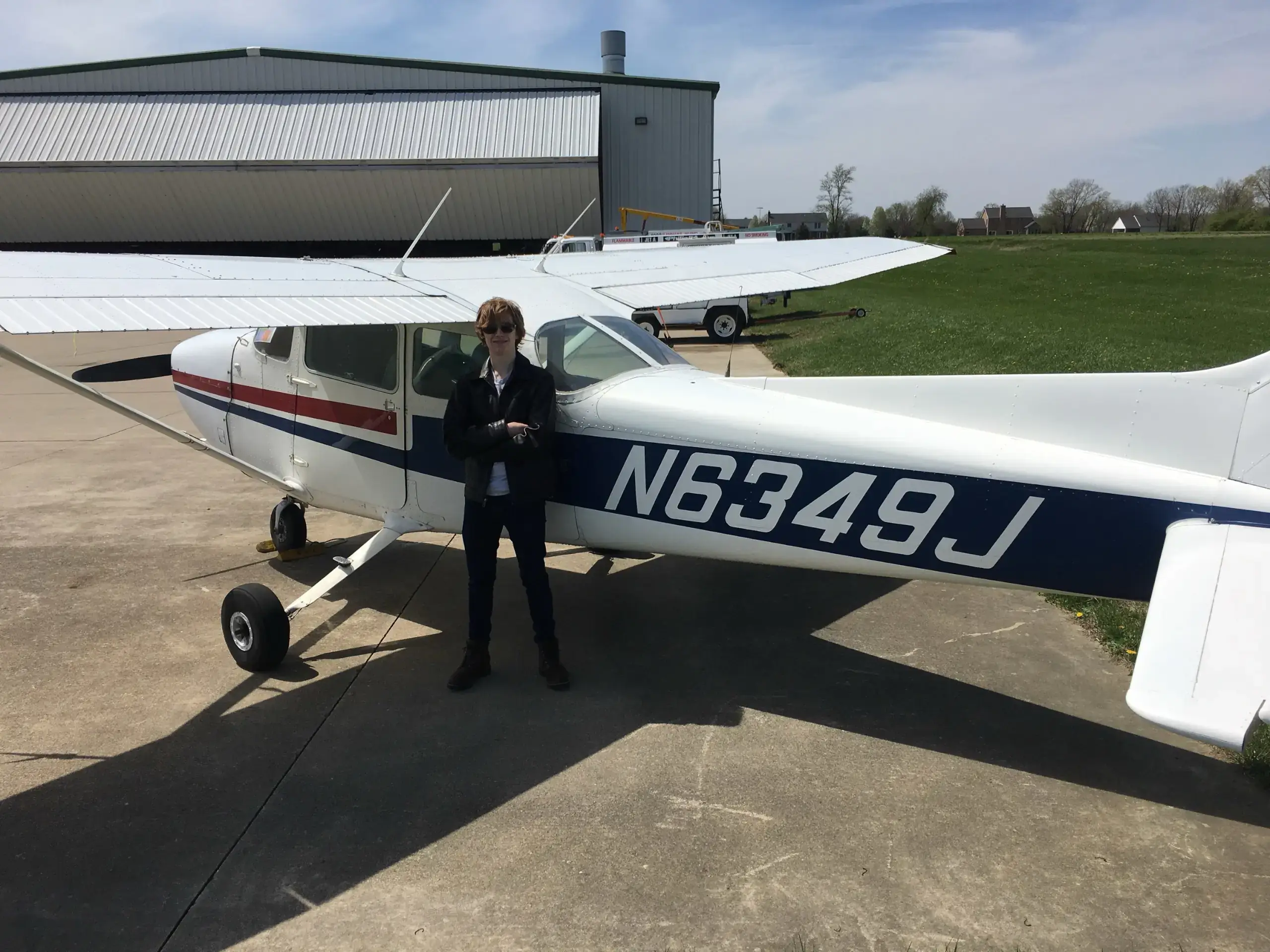
MOSAIC expanded the possibilities; your intended flying still determines which certificate provides the right privileges.
Sport pilot and private pilot solve different problems
Choose by considering how much operating flexibility your intended flying requires.
| Your decision | Sport Pilot | Private Pilot |
|---|---|---|
| Best fit to compare | Focused recreational flying with defined limits | Broader personal travel and a foundation for later ratings |
| Passengers | One passenger maximum | More passenger flexibility, subject to aircraft limits and operating rules |
| Medical planning | Driver’s-license pathway may apply for eligible daytime operations | FAA medical or qualifying BasicMed pathway generally applies |
| Night flying | Available only with required training, endorsement, and FAA medical or BasicMed | Included in airplane certificate training and privileges, subject to applicable qualifications |
| IFR | Not permitted under sport-pilot privileges | Requires a separate instrument rating |
| Aircraft | A broader range can qualify under MOSAIC, including some four-seat airplanes | Broader aircraft access within ratings, endorsements, and operating rules |
For a deeper decision guide, read Sport Pilot vs. Private Pilot: Choose Your First Certificate.
MOSAIC questions new students ask us
Can I fly on a driver’s license?
Possibly, for eligible daytime sport-pilot operations. A current and valid U.S. driver’s license may satisfy the medical requirement when FAA eligibility rules are met. Night sport-pilot operations require an FAA medical or BasicMed in addition to the required training and endorsement.
What airplanes can a sport pilot fly now?
A sport pilot may fly an aircraft that meets the performance and design requirements of 14 CFR 61.316, along with any applicable training and endorsement requirements. Some airplanes may have four seats, but the pilot may still carry only one passenger. See our fleet for local aircraft context, then contact us about current sport-pilot training availability.
Is MOSAIC the same thing as LSA?
No. MOSAIC is the rulemaking; light-sport category aircraft are an aircraft-certification category; sport pilot is a pilot certificate. MOSAIC separated the aircraft a sport pilot may operate from the old light-sport-aircraft definition. Our pilot programs help connect the regulatory language to an actual training path.
Does MOSAIC make sport pilot the right choice for everyone?
No. If your plans include more than one passenger, IFR, or a direct route into advanced ratings, private pilot training may fit better. Sport pilot can be an excellent destination when its privileges match the flying you genuinely want to do.
Find out if sport pilot training is right for you
Unsure which path fits your plans? Tell us a little about yourself and we’ll help you compare the options. Send a message to our team to compare sport pilot and private pilot training, including the aircraft, passengers, schedule, medical planning, and budget considerations that shape the decision.